Publications

Structural barriers to prenatal care for migrant women at the United States–Mexico border: a qualitative study

Original publication here: https://doi.org/10.1016/j.puhe.2025.105986

Dec 2025

K.M. Gonzalez, W.R. Matias, A.M. Mohareb, D. Sridhar

Abstract


Objectives

Recent United States (US) immigration policies have left thousands of asylum seekers stranded in Mexican border cities with limited access to healthcare. Pregnant women are particularly vulnerable, often facing substantial barriers to receiving adequate prenatal care (PNC). This study aimed to describe the state of PNC delivery at the US–Mexico border through the challenges, experiences, and perspectives of healthcare workers (HCWs).


Study design

Qualitative study.


Methods

Semi-structured interviews were conducted with 10 HCWs (6 nurses and 4 physicians) who volunteered at non-governmental organization (NGO)-operated clinics in Matamoros and Reynosa between 2019 and 2023. Interviews were conducted in June–July 2023 and analyzed using thematic analysis.


Results

Three inductive themes emerged: (1) structural violence; (2) resource limitations; and (3) care fragmentation. Participants reported that PNC frequently fell below international standards. Continuity of care was disrupted by patient transience, limited infrastructure, and reliance on short-term staffing. Additional barriers included shortages of specialized providers, fragmented medical records, institutional racism, and the impacts of cartel-related violence.


Conclusions

This study underscores the structural and systemic barriers shaping maternal healthcare delivery in humanitarian border settings. Improving care for pregnant migrants will require comprehensive policy reform, strategic resource allocation, and rights-based, cross-border approaches. Future research should engage migrant communities and local providers to develop responsive models that bridge the gap between inclusive policy and frontline care.


1. Introduction


Migration from Central America and Mexico has sharply increased in recent years, driven by poverty, violence, and exacerbated by climate change, COVID-19, and economic disruptions.1 Recent United States (US) policy shifts have fundamentally reshaped the asylum process, creating significant barriers for migrants.2
The Migrant Protection Protocols (MPP) of 2019—also known as the “Remain in Mexico” policy—required asylum seekers to return to Mexico while awaiting their US immigration proceedings.3 Title 42, enacted in March 2020 under the Public Health Service Act of 1944, authorized the US government to expel asylum seekers under the pretext of COVID-19 prevention.4,5 Together, these policies restricted border access and left nearly 20,000 asylum seekers stranded in dangerous Mexican border cities.6 Although both policies have since been rescinded, public health experts widely condemned them for lacking scientific justification and creating lasting barriers to healthcare, shelter, and other essential services.6,7
Pregnant women are especially vulnerable, often lacking adequate prenatal care (PNC), clean water, sanitation, safe shelter, and proper nutrition.8 They face heightened risks of violence, including documented cases of miscarriages, kidnappings, rape, and abuse following expulsion.9 Timely PNC—the healthcare women receive during pregnancy—is essential for optimizing maternal and neonatal health.10 Newborns born to mothers without PNC are three times more likely to have low birth weight and five times more likely to die.11 This study defines ‘adequate’ PNC based on the World Health Organization’s 2016 antenatal care (ANC) model, which recommends at least eight provider encounters during pregnancy.12
Although reports highlight the challenges faced by pregnant women,9,13,14 peer-reviewed literature on PNC delivery at the US–Mexico border remains scarce. This study aims to address this gap by describing the state of PNC delivery through the challenges, experiences, and perspectives of healthcare workers (HCWs) amidst the prevailing political climate.


2. Methods


2.1. Study design

We used a qualitative study design, employing semi-structured interviews to explore HCWs’ perspectives on PNC delivery and the factors influencing its provision. We adopted an interpretive standpoint, viewing reality as subjective and ever-changing, emphasizing that multiple perspectives can coexist and influence understanding.15 This approach guided our recruitment strategy. We focused on HCWs rather than patients to gain broader insight into potential systemic barriers and avoid ethical challenges associated with interviewing migrants. Reporting followed the Consolidated Criteria for Reporting Qualitative Research (COREQ) guidelines,16 with a completed checklist provided in the Supplementary data.


2.2. Sampling and participant recruitment

We employed maximum variation sampling, a purposive sampling strategy aimed at capturing diverse perspectives and experiences.17 Participants were recruited from Global Response Medicine (GRM), an international humanitarian non-governmental organization (NGO) that provided free clinical and specialty care to asylum seekers at the US–Mexico border from 2019 to 2023 through clinics in Matamoros and Reynosa.18
GRM operates on a volunteer-based system. Eligible participants were HCWs—including physicians, nurse practitioners, midwives, and nurses—who had provided PNC at GRM’s Matamoros or Reynosa clinics at least once and consented to participate. No further exclusion criteria were specified. We leveraged our professional contacts within GRM and Massachusetts General Hospital (MGH), a partner hospital. HCWs were recruited through direct email invitations facilitated by these contacts, as well as snowball sampling17 from initial respondents.
We sampled ten participants with relevant experience to ensure high-quality data.19 No invited participants declined or dropped out.


2.3. Data collection

We developed a semi-structured interview guide (see Supplementary data) informed by investigator experiences at the border, guidelines for semi-structured interviews,20 and a review of existing literature.21 The guide was pilot tested through internal review by the research team21 and field-tested with two potential participants.20
Between June and July 2023, we conducted interviews with eligible participants after confirming consent. Interviews were conducted by KMG, a Master of Public Health candidate trained in qualitative methods, under the supervision of experienced qualitative researchers. Participants were informed of the interviewer’s background in global health. An optional informational call was offered to discuss study objectives, address questions, and schedule a suitable interview time.
To protect confidentiality, names were not recorded, identifying data were removed during transcription, and identity codes were applied to all transcripts. To maintain privacy, all interviews were conducted remotely via Microsoft Teams, without observers present, at times selected by participants. At the start of each interview, participants were informed of the voluntary nature of their involvement. Participant characteristics (e.g., role, organization, and experience providing care to pregnant patients) were then collected verbally and documented in field notes.
All interviews were conducted in English and lasted 22–59 min, with a mean duration of 43 min. They were audio-recorded and transcribed verbatim. We reached data saturation when no new themes emerged.22 No repeat interviews were conducted, and transcripts were not returned to participants for review.


2.4. Data analysis

We employed a thematic approach to analyze the data, aiming to reveal patterns and themes within the dataset.23 This approach was chosen for its foundational status in qualitative research and its ability to uncover unforeseen insights, particularly given the limited peer-reviewed literature on this topic. An inductive approach allowed themes to emerge directly from the dataset.23 We adopted Braun and Clarke’s 6-phase process for thematic analysis.24
KMG performed primary coding with regular input and oversight from DS. We read through the transcripts for familiarization and performed line-by-line coding on the first three transcripts to develop initial codes. These codes were iteratively organized into a detailed coding tree, which grouped related codes into categories and subsequently overarching themes. Themes were cross-referenced with coded extracts from all transcripts.25 During the writing of the results, we refined the codes by comparing evolving interpretations against the raw data to ensure accurate representation, as per Charmaz’s constant comparative approach.26 This method also guided probing in later interviews.
We used NVivo 14 for data management and analysis,27 and Miro to visualize thematic relationships.28 No formal participant checking was conducted.


2.5. Reflexivity

To enhance rigor, we adopted reflexivity practices.29 We maintained a detailed journal documenting methodological decisions, potential biases, and interpretations of the data. Given participants’ awareness of our border experience, we presented ourselves as informed but intentionally neutral to encourage fuller responses.30 We also employed reflexivity to account for prior professional relationships with several participants, recognizing that existing familiarity could influence the data collection process. We actively reflected on our positionality as US- and UK-based public health researchers with previous experience in humanitarian contexts.


3. Results


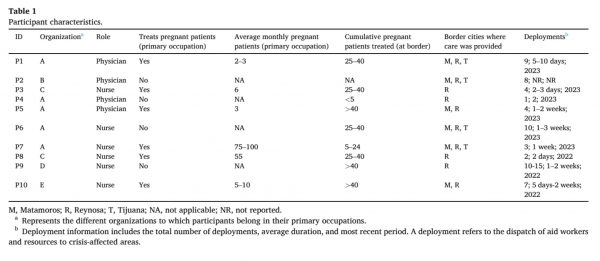
Participant characteristics are summarized in Table 1. We recruited 10 HCWs, including 6 nurses and 4 physicians. Nine had provided direct PNC at GRM’s Matamoros or Reynosa clinics. Although P2 did not provide direct care, their insights into border-based service delivery were included following transcript review. Findings are organized through three overarching themes: (1) structural violence; (2) resource limitations; and (3) care fragmentation. Additional participant quotes are provided in the Supplementary data.

3.1. Theme 1: Structural violence

Structural violence refers to social systems—such as legal, political, and economic structures—that systematically disadvantage certain groups and restrict access to basic rights and resources.31


3.1.1. Denial of care

Participants described how migrants were frequently turned away from hospitals without evaluation, received incomplete diagnostics, or were denied ambulance transport and admission. Routine PNC through state systems were often inaccessible due to financial barriers, and even those who delivered in hospitals were discharged quickly without postpartum care.

“Some people just flat out get turned away. Or there were situations where we would send someone to the hospital … and they didn’t even do the workup … At the public hospital, my understanding is [that] care should be free, but a lot of times you have to provide your own supplies and purchase [your own] medicines. – P1


3.1.2. Discrimination and language barriers in healthcare access

Language barriers and racial discrimination, particularly against Haitian migrants, were cited as major obstacles within Mexican healthcare institutions.

“The Haitian population [is] really discriminated against and not provided care [for]. [Hospitals are] just churning Haitians away or [providing] basic care and then turning them away. – P7


3.1.3. Cartel violence and safety concerns

Fear of cartel violence deterred migrants from accessing local services. Participants noted that unsafe conditions—such as pregnant women being unable to walk unattended—compromised their sense of safety, which may adversely affect maternal health.

“I learned about the drug cartels there … They’re patrolling the streets and it’s hard to know who is who. So, for a pregnant woman to walk the streets unattended, [it] can be dangerous.” – P4


3.1.4. Overburdened public health system

Participants emphasized that the Mexican public health system was already under strain and faced additional pressure in responding to the needs of the migrant population.

“They’re already taking care of very destitute groups of Mexicans [and] are also expected to handle this new influx of migrants.” – P6


3.2. Theme 2: Resource limitations

Resource limitations refer to constraints in space, staffing, or supplies that compromise the consistent delivery of quality healthcare.32


3.2.1. Shortage of specialized providers

Participants noted a significant lack of specialists, particularly obstetricians and gynecologists. Most providers were generalists, and many participants reported working beyond their usual scope of practice, gaining experience through their clinic work at the border.

“This is not my area of expertise at all … I don’t have the kind of comprehensive knowledge of what to expect at a particular stage of pregnancy or what normal [is]. What [is] abnormal? That was all learned throughout my time in the clinics.” – P6


3.2.2. Limited medical supplies and diagnostic equipment

All participants described limitations in available supplies and diagnostic equipment. While basic labs and limited ultrasounds were accessible, budgetary constraints and reliance on external referrals restricted comprehensive screening for infections, congenital anomalies, and fetal growth.

“So that a pregnant woman was getting regular exams, ultrasounds, lab[s] … That kind of care is just not possible to maintain.” – P6


3.2.3. Lack of privacy in makeshift clinics

Participants noted that GRM clinics operated in makeshift spaces—such as courtyards, dining halls, or porches—where limited privacy impeded the ability to address sensitive issues like gender-based violence (GBV) or perform sexually transmitted disease (STD) screenings.

“We weren’t screening for STDs. No, because that means undressing them … There’s really no privacy in those clinics.” – P7


3.3. Theme 3: Care fragmentation

Care fragmentation is characterized by the distribution of care across multiple providers without consistent oversight, leading to disruptions in continuity and coordination.33


3.3.1. Patient mobility disrupts follow-up care

Participants identified the mobile nature of the migrant population as a major barrier to continuity of care. Migrants frequently moved between cities while awaiting asylum or seeking safety or resources, sometimes traveling over 50 miles to access services.

“That person either crosses over or something happens to them, they disappear. You don’t know what happens to them … That’s not an element [that] can be accomplished there.” – P5


3.3.2. Short-term staffing reduces provider continuity

The use of short-term, rotating volunteers made it difficult for patients to see the same provider across visits. Participants noted that this disrupted continuity of care and hindered relationship-building and consistent follow-up.

“If we wanted to see [a patient] the following week, chances are they were going to see a different [provider] … You’re writing notes in their little prenatal book, hoping that the next person can pick up where you left off.” – P4


3.3.3. Fragmented medical records hinder clinical decision-making

Participants explained that inconsistent medical records hindered effective follow-up and care planning. Key clinical data—such as pregnancy history, group B streptococcus (GBS) status, and prior complications—were often unavailable. Several participants expressed concern about tracking preeclampsia, which they noted was particularly common among Haitians, who comprised the majority of GRM’s patients.

“Part of prenatal care is pregnancy history. If someone has a history of pregnancy loss, that’s a very important indicator for the current pregnancy.” – P5
Although not described as a standalone barrier, participants reflected on the emotional and ethical toll of delivering care in this context. Communication challenges—particularly the absence of trained interpreters—limited their ability to assess patients and discuss sensitive topics. Several described feelings of helplessness when unable to meet patients’ needs or provide the level of care they believed was ethically appropriate.


4. Discussion


This qualitative study explored PNC delivery along the US–Mexico border from the perspective of HCWs. Three interrelated themes emerged as critical to understanding the barriers to care: structural violence, resource limitations, and care fragmentation. Despite dedicated efforts of organizations such as GRM, the quality and accessibility of PNC for migrants often fall below international standards.
Findings align with prior research documenting systemic barriers to healthcare access for migrant populations at the US–Mexico border, including care denial, discrimination, and institutional neglect.6,34 Although Mexico’s revised General Health Law guarantees universal access to public health services,35 implementation remains inconsistent, and migrants continue to face substantial access barriers.36 Pregnant women are especially vulnerable to neglect and abuse.6,9,34 Asylum seekers more broadly are perceived as overburdening Mexico’s strained public health system, leading to discrimination from both healthcare providers and the public.34,37 Participants further emphasized that pervasive cartel violence—particularly in border cities—deters migrants, especially pregnant women, from seeking necessary care, increasing stress and the risk of adverse pregnancy outcomes.6,9,34,38,39
Our findings also underscore structural challenges in humanitarian health delivery. Participants described shortages of specialized staff, diagnostic equipment, and medications—findings that echo prior research on NGOs at the border, including GRM and Médecins Sans Frontières (MSF), which operate under critical resource constraints.34 GRM’s clinics in Reynosa were mobile, and while mobile clinics have expanded PNC access in other low-resource settings,40 their effectiveness depends on sustained staffing, infrastructure, and service scope.41
With these settings, privacy-related limitations—particularly in makeshift clinical spaces—emerged as barriers to addressing sensitive issues such as GBV and conducting essential screenings. Similar concerns have been documented in mobile clinics in the US,42 South Africa,43 and Brazil.44 Participants also noted that fragmented or incomplete medical records hindered clinical history tracking and risk assessment, echoing broader systemic challenges in humanitarian contexts where inter-organizational data sharing remains limited.45 Comprehensive medical, social, and reproductive histories are critical for early detection and management of high-risk pregnancies, including hypertensive disorders such as preeclampsia,46 which participants noted were especially prevalent among Haitian populations—who accounted for the majority of GRM’s patient population.47
While our findings affirm existing literature, they also provide novel insight into the delivery of PNC in border humanitarian contexts. For example, participants emphasized how rotating staff and the transient nature of patients compromised relationship-building and the ability to provide consistent longitudinal care throughout the prenatal period. These disruptions extend beyond general access barriers and point to gaps in long-term care.
This study has several limitations. Its small sample size and recruitment from a single NGO may limit generalizability. Intermittent, rather than continuous, volunteer participation may not fully reflect the experiences of full-time frontline clinicians. The focus on US-based HCWs excluded valuable perspectives from local Mexican providers and migrants, which future studies should prioritize. Additionally, the rapidly evolving policy landscape and fluctuating border conditions may affect the long-term relevance of our findings.


4.1. Conclusion


This study reveals an escalating humanitarian crisis at the US–Mexico border, where basic PNC remains out of reach for pregnant migrants. Structural violence, resource limitations, and care fragmentation undermine the quality and accessibility of maternal healthcare. Despite the efforts of humanitarian organizations, entrenched systemic barriers persist. Addressing these challenges will require comprehensive policy reform, strategic resource allocation, and coordinated binational action grounded in human rights. Strengthening integration between NGOs and formal healthcare systems could enhance service coordination, equity, and outcomes for underserved border communities.48 Future research should incorporate the perspectives of Mexican healthcare providers and migrant communities, using community-based participatory approaches to develop rights-based, responsive models of care that bridge the gap between inclusive policy frameworks and on-the-ground healthcare delivery.36


Author statements


Ethical approval

This study was approved by the Usher Masters Research Ethics Group (reference no. UM23247), Usher Institute, University of Edinburgh. Written informed consent was obtained from all participants.


Data availability

The data that has been used is confidential.


Author contributions

KMG contributed to conceptualization, methodology, project administration, investigation, formal analysis, data curation, and writing the original article. WRM contributed to reviewing and editing the article. AMM contributed to methodology, reviewing, and editing the article. DS contributed to reviewing and editing the article, validation, and supervision.


Funding

This work was supported by the US National Institute of Allergy and Infectious Diseases (grant number T32 AI007433, awarded to WRM) and the Harvard University Center for AIDS Research (CFAR), an NIH-funded program (grant number P30 AI060354, awarded to WRM). The funders had no role in study design, data collection and analysis, preparation of the manuscript, or decision to publish.


Competing interests

DS is a member of the editorial board for Public Health. The other authors declare no competing interests.


Acknowledgements

We are grateful to the participants who took part in this study. We acknowledge the collaboration of the GRM team, particularly Brendon Tucker and Clara Lee Arnold. Our appreciation extends to the MGH Center for Global Health, especially Dr. Lindsey Martin and Kristen Giambusso, for their valuable support during the planning stages of this research.


Publications

Psychological Sequelae of Drone Attacks

November 6, 2025

Published on Psychiatrist.com – Primary Care Companion for CNS Disorders, Prim Care Companion CNS Disord 2025;27(6):25f04056

Lessons Learned at the Interface of Medicine and Psychiatry


The Psychiatric Consultation Service at Massachusetts General Hospital sees medical and surgical inpatients with comorbid psychiatric symptoms and conditions. During their twice-weekly rounds, Dr Stern and other members of the Consultation Service discuss diagnosis and management of hospitalized patients with complex medical or surgical problems who also demonstrate psychiatric symptoms or conditions. These discussions have given rise to rounds reports that will prove useful for clinicians practicing at the interface of medicine and psychiatry.

This article is the result of a collaboration between Ukrainian clinicians, both uniformed and civilian, and Home Base (a partnership between Massachusetts General Hospital and the Boston Red Sox committed to healing the invisible wounds of war).1 In March 2025, Global Response Medicine, an organization focused on delivering and managing humanitarian aid worldwide, facilitated a reciprocal partnership between Home Base and the Ukrainian Ministries of Interior and Health. This initiative was designed to share evidence-based practices and clinical innovations in support of Ukrainian military personnel and their families.

This article seeks to illuminate a newly emerging form of combat stress, one shaped by the relentless and psychologically corrosive nature of modern drone warfare. If you have ever wondered what it is like to live under the threat of a drone attack or thought about how drone attacks differ from those of artillery fire or ground assaults or been uncertain about how to treat someone who has developed combat drone-related posttraumatic stress and anxiety, then the following case vignette and discussion should prove useful.

CASE VIGNETTE


Mr A, a 28-year-old active-duty Ukrainian soldier, was returning to his post when the ground beneath his feet suddenly gave way. He had been unaware of the Russian-operated drone that had dropped munitions onto him. A second strike followed seconds later as he lay wounded, having lost all motor function in his legs.

Although his uninjured comrades applied tourniquets to his legs to control the bleeding, evacuation was impossible, as reconnaissance drones remained overhead searching for targets. Mr A was left isolated, immobile, and exposed, as his comrades sought cover.

When one drone continued to drop ordnance on him, another drone hovered nearby and recorded his distress (pain, fear, and helplessness) for propaganda purposes over social media. Mr A endured 5 more drone assaults before losing consciousness. Left for dead, the attacks paused, and Mr A’s comrades attempted to evacuate him. However, a reconnaissance drone detected their movement and dropped additional munitions and an incendiary device. Upon regaining consciousness, Mr A extinguished the flames on his body with his hands, after which chemical munitions were dropped by the drone rendering him unconscious once again.

Mr A was evacuated 14 hours later, under the cover of night. His injuries included bilateral lower-limb burn-blast injuries with severe tissue loss and infections that required several amputations; these were traumatic for him. During Mr A’s recovery and rehabilitation, he watched footage of his attack circulating on social media, re-exposing him in vivid detail to the event, and now accompanied by streams of “likes,” unsolicited opinions, and voyeuristic commentary from a distant, virtual audience.

DISCUSSION


Why Are Drones Increasingly Used in Military Conflicts?

For the purposes of this article, the term drone refers to an unmanned aerial vehicle or unmanned aircraft system that is either remotely piloted or utilizes software for autonomous flight. Modern drone performance varies based on propeller configuration, intended purpose, flight range, and payload capacity.

While the US military employed drones extensively during the wars in Iraq and Afghanistan, the commercialization of drone technology since the Global War on Terror (GWOT) has profoundly reshaped modern warfare on sea, air, and land. The proliferation of civilian drone platforms is fueled by their low cost, operational simplicity, and expendability, making them a potent force multiplier.2 Rapid advancements in tactical technology since Russia’s full-scale invasion into Ukraine in 2022 has effectively made Ukraine a battlefield laboratory that has re-engineered the methods and means of conducting warfare and their associated human consequences.3

The most commonly used drones in Ukraine are civilian short-range first-person view (FPV) multirotor copters, modified for tactical purposes. Pilots control these FPVs using virtual reality headsets, providing them with gamified situational awareness of the battlefield. As drone operators gain experience, they advance to more complex aerial missions and platforms. FPV drones typically engage targets by dropping munitions, such as mortar shells and grenades, or by performing kamikaze-style attacks, detonating on impact. A single exploding FPV drone can cost between $200 and $500, a small fraction of the price of guided artillery shells that are 10–15 times more expensive.4 In contrast, modern Russian battle tanks cost approximately $4 million each and can be effectively destroyed by a small number of these inexpensive drones. This stark cost disparity underscores a significant strategic shift in modern warfare, where affordable unmanned systems can deliver disproportionate battlefield effects.

Composed in large part of civilian volunteers—teachers, laborers, and students—who now constitute approximately 60%–75% of Ukraine’s current military force,5 the Ukrainian defense has rapidly integrated drone technology into its defense strategy and become a contemporary example of asymmetric warfare. Russia, anticipating a swift and decisive victory, was initially unprepared for this unconventional resistance. However, Ukraine’s operational success compelled Russia to adapt quickly, accelerating its own investment in and deployment of drone capabilities, thereby initiating an arms race in unmanned systems that neither side had fully anticipated at the outset of the conflict.6 Ukraine’s production target for 2025 is 4.5 million drones produced from Ukrainian factories alone, which is double their production from 2024, and slightly more production than what Russia is anticipated to produce by the end of 2025.7

How Much Warning Can a Person Receive Before a Drone’s Guns or Missiles Hit Their Target?

The distinct sound of an approaching drone (like the hum of swarming hornets) has become an ominous signal of imminent danger that those familiar with the trenches of Ukraine have likened to a “serious psychological attack.8” A volunteer group that builds FPV kamikaze drones (the “Wild Hornets” unit) for the Armed Forces of Ukraine reports that an FPV drone can travel in excess of 186 mph.9 Even, smaller FPV drones typically travel at 37 mph, which means that people cannot outrun a pursuing FPV platform.10

Large government and military drones, typically weighing over 150 kg, often operate at extremely high altitudes, with some surveillance platforms flying between 22,000 and 50,000 feet. At these elevations, they are virtually undetectable from the ground, since sound dissipates long before it reaches the surface, and visual identification is nearly impossible without advanced tracking systems. In contrast, smaller drones, such as microdrones (under 250 g) or small unmanned aerial systems (250 g–25 kg), tend to fly much lower, typically between 500 and 650 feet.11 These low-flying platforms are nearly silent and invisible above noisy battlefields, making them highly effective for reconnaissance or surprise attacks. However, drones delivering small munitions face limitations at higher altitudes, where gravity and wind introduce drift and reduce precision. To strike accurately, drones must descend to within 10–30 yards of their target, at which point their sound and movement may be detectable, giving soldiers a fleeting chance to react or defend themselves. The main warning sign of approaching danger is a change in the drone’s sound. As its sound intensifies, the drone is initiating an attack.

How Do Drone Attacks Differ From Other Methods Used in War?

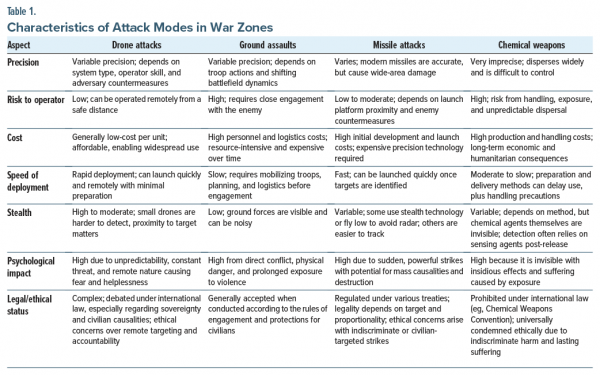
Table 1 compares the characteristics of drones (eg, which deliver rapid and highly precise and inexpensive attacks under the direction of an operator who may be miles away) with other attack modes used in war zones.

How Does the Threat of a Drone Attack Induce Psychological Distress and Interfere With Normal Functioning?

Mr A’s experience illustrates the unpredictable nature of drone attacks and the helplessness they can instill in soldiers. Without hearing or seeing the drone, Mr A sustained a catastrophic injury and was subjected to what can only be described as a remote-controlled execution, which was filmed, shared, and consumed on social media by a distant, opinionated audience. This convergence of battlefield lethality and digital dissemination represents a novel dimension of modern warfare, with unique implications for psychological trauma, moral injury, and clinical care that we have yet to fully understand.

Experiencing a drone attack is a distressing and unforgettable event. The sound of a drone can evoke significant anxiety, especially in places like Ukraine where trading the front lines for the home front does not stop drone attacks. Some Ukrainian clinicians have started referring to the drone attack–related clinical presentations they are seeing as “dronophobia” due to the unique hypervigilance behavior with corresponding hyperarousal and avoidance behaviors.8 For those who operate drones or have become accustomed to enemy drone activity, their anxiety may diminish as the sounds become more familiar. However, for many citizen soldiers and battle-hardened service members, the ongoing threat of drone attacks contributes to persistent hypervigilance and hyperarousal. Although drones have become a defining feature of modern warfare, we still know little about their psychological impact. Much of what we now recognize as drone warfare has taken shape on the battlefields in Ukraine, where these systems have been used on an unprecedented scale since Russia’s full-scale invasion on February 22, 2022. Because the war in Ukraine is so recent, the long-term psychological sequelae, on both soldiers and civilians, are still unfolding. A Ukrainian psychiatrist forewarned that the United States’ benign use of drones for weddings and real estate could become deeply triggering in a postwar Ukraine. As with previous conflicts, such as those during the GWOT, the true human consequences often take years, sometimes decades, to fully emerge and be acknowledged. This case of Mr A offers a window into the psychological realities of a new kind of asymmetrical warfare.

Many Ukrainian service members report that being within 5–10 miles of the front, well within the active range of FPV drones, requires constant vigilance: listening for the distinct hum of approaching drones while continuously scanning the sky. To adapt to the ever-present threat of attack, soldiers seek cover; make short, abrupt movements when the sound of drones fade; scan for nearby cover; peek around corners before crossing open spaces; and look upward frequently. Their constant skyward scanning exposes added vulnerability to the dual threat of hidden ground mines. Many soldiers avoid wearing tactical headphones out of fear that they will not hear an approaching drone, and some refuse to ride in military vehicles, which were once considered safe but are now viewed as prime targets.

Relatives of soldiers who have experienced drone attacks often notice significant behavioral changes. Before drone anxiety took hold, soldiers on leave would brighten their homes by opening curtains. Now, hundreds of miles away from the front, they keep their windows covered and lights dimmed, with furniture pushed to the edges of rooms to allow for unobstructed movement. During air raid sirens, while families seek shelter, these soldiers scan the skies from windows. Even simple activities, like walking outdoors with their children, are accompanied by upward glances. These behaviors reflect a durable state of hypervigilance: survival instincts and habits deeply ingrained by frontline experience and reinforced by the country’s persistent threat of drone attacks. This constant, looming danger makes it difficult for such adaptations to fade, even in relative safety.

Where Can a Person Feel Safe From the Threat of Drone Attacks?

Based on our Ukrainian coauthors’ experience treating service members, a sense of safety comes from minimizing exposure to open and vulnerable spaces. Many soldiers and civilians avoid windows, which mirrors their frontline behavior. On the battlefield, the most dangerous location is a dugout without overhead cover; soldiers prefer trenches with roofs or some form of overhead protection.

When away from the front, soldiers often seek windowless rooms or shelter in basements (ie, spaces that provide a greater sense of security against drone threats). Similarly, civilians find refuge underground (eg, in parking garages, subway stations, or basements). During a visit by Home Base clinicians to Ukraine, a “two-wall” shelter-in-place guideline was recommended to maximize protection. Many Ukrainians relocated from heavily targeted urban centers to private country homes, seeking distance not only from drone attacks but also from the psychological strain of continuous urban bombardment.

Who Is Most Susceptible to the Psychological Sequelae of Recent or Imminent Drone Attacks?

While real-world training and tactical preparation enhance a soldier’s ability to respond to the threat of a drone attack, the current reality is this knowledge offers limited protection against the stealth and precision of modern drone warfare. The persistent presence of drones can generate chronic psychological stress, and many soldiers report heightened anxiety, even when no immediate threat is apparent. Civilian soldiers, which is what most of Ukraine’s soldiers are, who are predisposed to anxiety, phobias, and distrust or who lack effective coping mechanisms are being found to be particularly susceptible to severe psychological distress from the threat of drone strikes.

Individuals who have experienced a drone strike, particularly those injured by one, are at heightened risk for developing persistent psychological symptoms, a vulnerability intensified by the ongoing threat of repeated attacks. For affected Ukrainian soldiers, the high likelihood of returning to active duty further increases their exposure to combat stressors. Likewise, the scale of Russian drone strikes on Ukrainian cities and towns raises concern that the broader civilian population faces an elevated risk of drone-related psychological symptoms.12

What Types of Physical and Psychological Symptoms Can Arise in the Context of Drone Attacks?

Hospitalized military personnel often develop psychological symptoms of posttraumatic stress (eg, with intrusive symptoms, avoidance behavior, and psychophysiological arousal) and anxiety disorders (eg, panic attacks, phobic reactions) following drone strikes. Substance use (involving alcohol and other psychoactive substances) is frequent among those who have been exposed to a drone attack, particularly those on the front or returning to the front where a high probability of re-exposure exists. Sleep disturbances (especially insomnia and nightmares) are common, with those attacked during dusk or at nighttime reporting heightened distress. The impact of such trauma can be stubbornly durable, especially in a country with permeable front lines, significantly impacting mental health and overall well-being.13

What Happened to Mr A?

Mr A experienced intense combat-related stress resulting from repeated battlefield drone attacks. Following evacuation, he was treated across 6 different medical facilities and underwent multiple surgical interventions, including bilateral lower limb amputations. Due to his fragmented care, brief hospitalizations, and lack of coordinated psychological support, Mr A was unable to initiate a structured rehabilitation process. Consequently, symptoms of acute stress disorder progressed, and he met diagnostic criteria for posttraumatic stress disorder (PTSD).

His anxiety significantly interfered with daily functioning. Mr A mitigated perceived threats by moving his bed away from windows, keeping his curtains drawn, maintaining all personal electronic devices in a ready state, and keeping the lights dimmed. Exposure to drone-like auditory stimuli triggered intense fear, anxiety, and feelings of helplessness.

Five months after his drone attack, Mr A was admitted to a specialized psychiatric polytrauma center that provided a multidisciplinary, integrative treatment protocol. His psychopharmacologic regimen included duloxetine (initiated at 30 mg/day and titrated to 60 mg/day), pregabalin (600 mg/day, tapered to 150 mg/day), quetiapine (100 mg/day), and carbamazepine (200 mg/day). These medications were complemented by multimodal therapeutic interventions, including individual evidence-based therapy (cognitive-behavioral therapy and eye movement desensitization and reprocessing); virtual reality for pain relief; group therapy; active sports (such as swimming); art therapy; ecotherapy; yoga; and acupuncture.

By the time of his discharge, Mr A’s symptoms improved sufficiently, and he no longer met diagnostic criteria for PTSD. Nonetheless, he continued to experience subthreshold generalized anxiety and a marked fear of drones, particularly during early morning hours.

CONCLUSION


The widespread use of drone platforms is largely attributable to their low operational cost, ease of use, and high mobility. These characteristics render drones particularly effective for high-risk military applications that mitigate operator exposure to danger while maximizing lethality against adversaries.

With the increasing prevalence of drone attacks, the distinct hum of an approaching drone, often likened to the swarming of hornets, has itself become a psychological weapon. The escalating pitch signals an imminent threat, which elicits fear and helplessness even before an attack. Whether directly experienced or witnessed in the aftermath, the auditory stimulus leaves a durable psychological imprint, with effects that may extend across generations, especially in conflict zones like Ukraine, where civilians endure repeated strikes that blur the boundaries between the front lines and the home front.

Addressing the psychological and societal consequences of drone warfare necessitates a comprehensive, integrated, multidisciplinary strategy.

As lessons from the GWOT have shown, this approach should integrate immediate medical care, ongoing mental health support that incorporates family, sustained surveillance, and community-based programs to mitigate the lasting impact of conflict, which is essential to address the consequences of war and the prolonged psychological and societal sequelae of drone attacks.14–16

Published Online: 
November 6, 2025. https://doi.org/10.4088/PCC.25f04056
© 2025 Physicians Postgraduate Press, Inc.
Submitted: August 12, 2025; accepted September 25, 2025.
To Cite: Bonvie JL, Matta SE, Andriichenko S, et al. Psychological sequelae of drone attacks. Prim Care Companion CNS Disord 2025;27(6):25f04056.
Author Affiliations: Department of Psychiatry, Massachusetts General Hospital, Boston, Massachusetts (Bonvie, Matta, Stern); Harvard Medical School, Boston, Massachusetts (Bonvie, Matta, Stern); Center for Psychiatric Care and Professional Psychophysiological Selection of the State Institution, Kyiv, Ukraine (Andriichenko); Medical and Psychological Rehabilitation of the Medical Center, Novi Sanzhary, Ukraine (Slobodian); Global Response Medicine, Marco Island, Florida (Leiner); Defend, Aid, Widen, Future (DAWN), Hillsboro, Oregon (Brockdorf).
Bonvie, Matta, Andriichenko, Slobodian, Leiner, and Brockdorf are co-first authors; Stern is the senior author.
Corresponding Author: Joseph L. Bonvie, PsyD, One Constitution Road, Suite 140, Charlestown, MA 02129 ([email protected]).
Relevant Financial Relationships: None.
Funding/Support: None.
Acknowledgements: The authors would like to extend their sincere thanks to the Ukrainian Ministry of Interior and the dedicated clinicians who made this case vignette possible. As drone warfare continues to reshape the landscape of modern conflict, the mental and physical toll it exacts remains underexplored in the literature. This case offers a timely and important contribution to that emerging conversation.
Disclaimer: The views expressed in this material are those of the authors and do not reflect the official policy or position of the U.S. Government, the Department of Defense or the Department of Veterans Affairs. The case vignette is based on the experience of a real soldier who was treated at the Department of Psychosomatic Pathology, Territorial Medical Association, Ministry of Internal Affairs of Ukraine, in Kyiv. Due to ongoing hostilities in Ukraine, certain details have been altered to protect his identity and his unit.

Clinical Points

  • First-person view drones provide a cost-effective means of delivering targeted strikes, with user-friendly controls that allow operators of varying skill levels to rapidly acquire piloting proficiency and conduct missions from a wide range of distances.
  • The sound of a drone often triggers intense anxiety, even when military personnel and civilians are far from the front lines.
  • The ever-present specter of drone attacks in war-torn nations forces soldiers and civilians to become hypervigilant.
  • Those who have experienced a drone strike, especially those who have been injured, are especially vulnerable to developing intense short-term and long-term psychological sequelae that are compounded by the ongoing threat of repeated attacks.
  • Optimal management of the sequelae of drone attacks involves a comprehensive, integrated approach to address immediate and long-term physical and psychological sequelae.
  1. Home Base. Home Base and Global Response Medicine launch “Invisible Wounds of Ukraine” initiative to support Ukrainian service members, veterans, families, and medical professionals. 2025. Accessed August 12, 2025. https://homebase.org/press-invisible-wounds-of-ukraine/
  2. Sprotyvg7.com.ua. Demonstrator of promising mirrors of armor and explosive techniques for explosive development. 2025. Accessed August 12, 2025. https://sprotyvg7.com.ua/lesson/dovidnik-perspektivnix-zrazkiv-ozbroyennya-ta-vijskovoi-texniki-dlya-rozviduvalnix-pidrozdiliv
  3. Bendett S, Kirichenko D. Battlefield drones and the accelerating autonomous arms race in Ukraine. Modern War Institute; 2025. Accessed August 12, 2025. https://mwi.westpoint.edu/battlefield-drones-and-the-accelerating-autonomous-arms-race-in-ukraine/
  4. Ibrahim A. Employment of FPV Drones in Russia-Ukraine war: Lessons and Future Outlook. Modern Diplomacy. 2024. Accessed August 12, 2025. https://moderndiplomacy.eu/2024/12/14/employment-of-fpv-drones-in-russia-ukraine-war-lessons-and-future-outlook/
  5. Käihkö I, Honig JW. Ukraine’s not-so-whole-of-society at war: force generation in modern developed societies. Parameters. 2025;55(1).
  6. Kullab S. How Ukraine soldiers use inexpensive commercial drones on the battlefield. PBS NewsHour; 2023. Accessed August 12, 2025. https://www.pbs.org/newshour/world/how-ukraine-soldiers-use-inexpensive-commercial-drones-on-the-battlefield
  7. Axe D. 4.5 Million Drones Is A Lot drones. It’s Ukraine’s New Production Target 2025. Forbes; 2025. Accessed August 12, 2025. https://www.forbes.com/sites/davidaxe/2025/03/12/45-million-drones-is-a-lot-of-drones-its-ukraines-new-production-target-for-2025/
  8. Gunter J. They escaped Ukraine’s front lines. The sound of drones followed them. BBC News; 2025. Accessed August 12, 2025. https://www.bbc.com/news/articles/c23gjk7dlvlo
  9. Struck J. “Can chase a helicopter” – Ukrainian FPV drone reaches 325 km/h. Kyiv Post; 2024. Accessed August 12, 2025. https://www.kyivpost.com/post/39057
  10. Sauer P. “It is impossible to outrun them”: How drones transformed war in Ukraine. The Guardian; 2025. Accessed August 12, 2025. https://www.theguardian.com/world/2025/jan/04/it-is-impossible-to-outrun-them-how-drones-transformed-war-in-ukraine
  11. JOUAV. Different Types of Drones and Uses (2025 Full Guide). Jouav; 2025. https://www.jouav.com/blog/drone-types.html
  12. Naeem A, Sikder I, Wang S, et al. Parent-child mental health in Ukraine in relation to war trauma and drone attacks. Compr Psychiatry. 2025;139:152590. PubMed CrossRef
  13. Sak L, Khaustova O. Understanding somatic comorbidity: Impacts of combat and stress factors on the complexity of military trauma [conference presentation]. In: Matta SE, Leister M, Caujolle-Alls K, et al. Research Institute of Mental Health, Bogomolets National Medical University; 2024. In: War in Ukraine: Assessing the Global Consequences. European Association for Psychosomatic Medicinehttps://eapm.eu.com/wp-content/uploads/2024/04/EAPM2024_ProgramV_FS-nm-240408.pdf.
  14. Dieterich-Hartwell R, Brodovsky J, DeAlba K, et al. An integrative, holistic treatment approach for veterans with chronic traumatic brain injury and associated comorbidities: case report. Front Psychiatry. 2025;16:1568876. PubMed CrossRef
  15. Hoover GG, Teer A, Lento R, et al. Innovative outpatient treatment for veterans and service members and their family members. Front Psychiatry. 2024;15:1377433. PubMed CrossRef
  16. Harward LK, Lento RM, Teer A, et al. Massed treatment of posttraumatic stress disorder, traumatic brain injury, and co-occurring conditions: the Home Base intensive outpatient program for military veterans and service members. Front Psychiatry. 2024;15:1387186. PubMed CrossRef

Newsletter

The Golden Hour Can Last a Day – $24k in 24 Days

October 23, 2025

The Golden Hour of Trauma is the backbone of emergency medicine. It’s a simple concept with life-or-death consequences: get a critically injured patient from the point of injury to a surgical operating room within 60 minutes, and their chances of survival increase dramatically.

This window exists because the human body can only compensate for severe trauma for so long. Blood loss, shock, and tissue damage accelerate with every passing minute. In a peacetime trauma system, helicopters lift patients to hospitals, ambulances race through protected streets, and surgical teams stand ready. The goal is always the same: beat the clock.

In Ukraine, that clock has stopped.

Evacuation from the point of injury can take 24 hours — sometimes more. The reason is as strategic as it is brutal: pervasive drone warfare has created complete transparency across the battlefield. Every movement is watched. Every vehicle is a target.

A 20-kilometer (12 miles) “kill zone” extends from the front line, where constant drone surveillance—including night-vision-equipped drones—makes rapid evacuation nearly impossible. Helicopter medevac is out of the question. Ambulances can’t move freely. Instead, the wounded wait under fire, and evacuation happens only in darkness, using low-profile methods that take hours, not minutes.

In that agonizing span of time between injury and surgery, everything matters: bleeding control, infection prevention, shock management, and the steady hands of medics, nurses, and surgeons who refuse to let that fragile line break.

This is why training at every level—from the trench to the stabilization point to the trauma hospital—has become the difference between life and death. Expertise must exist everywhere, because time no longer rescues the wounded. People do.

“Critical medical aid must be pushed towards the wounded for immediate stabilization, as swift extraction is near impossible.  Organizations like GRM provide this dedicated, life-saving training, which is a critical factor for significantly improving the prognosis for the courageous Ukrainian soldiers defending the values of freedom.”  – Ukrainian Emergency Medicine Surgeon 

From Defenders’ Day in Ukraine to Veterans Day in the US, our goal is to raise $24,000 in 24 days — $1,000 for every hour it can take to reach lifesaving surgery.

Your support trains and equips the medics, nurses, and surgeons who hold the line when help is a day away.

 Every minute counts.

“If not us, who?”

With gratitude,
The Global Response Medicine Team

Newsletter

Scroll Less, Do More

September 18, 2025


You may have noticed GRM has been light on social media this year. The truth is, we’re a small team and we’ve been busy with the work itself — posting only for major developments or significant holidays. We know sharing matters, but in today’s constant barrage of news and posts, information overload is real.

It can be loud and overwhelming. 

We choose what we watch. We choose what we engage with. So we’re making a change.

Here’s What’s Changing


You’ll hear from us in two ways:

  • Monthly field updates — a steady pulse of what’s happening on the ground
  • Impact moments — when we deploy to new emergencies, share a patient story that need sharing, complete major training programs, or achieve measurable impact

No filler. No noise. Just information when it matters. 

We’re Asking You to Join Us


Scroll less. Do more.

Put your phone down. Give those hours to make a difference where it counts.

Try this instead of scrolling:

  • Volunteer
  • Call a friend
  • Learn CPR
  • Donate blood
  • Help a neighbor

The world needs your hands, your presence, your action — not your clicks.

Our Promise


Every month: a clear update from the field. When it matters: stories and results that show lives changed.

No noise. Only what matters.

What We’ve Been Doing


Over the latter half of the summer, GRM leaned into its philosophy:
put smart people in the same room to solve complex problems.

In Ukraine and the U.S., we continued our work with colleagues from Home Base at Massachusetts General Hospital and Ukrainian clinicians to map out approaches to diagnosing and treating brain injury, one of the war’s most devastating wounds.

Simultaneously, we finalized plans to pilot Ukraine’s first national forward surgical course, laying the foundation for a standardized training pathway, alongside Razom and our colleagues at UMMA.

That momentum carried straight into the Military Health Sciences Research Symposium (MHSRS) in Orlando, where Ukrainian clinicians, GRM, Razom, and international partners sharpened the course design and shared frontline lessons with the global community:

  • Dr. Oleksandr Robuschuk on hypovolemic arrest and resuscitation
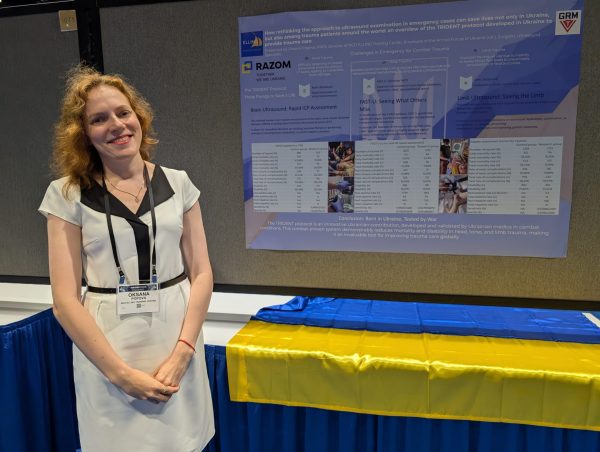
  • Dr. Oksana Popova on the TRIDENT ultrasound protocol
  • Dr. Andrii Kobirnichenko on bleeding control for devastating pelvic injuries

Dr. Robuschuk and Dr. Popova also continued clinical exchanges at the University of Florida, with Dr. Popova also visiting the University of North Carolina — building durable bridges with academic medicine. Back in Ukraine, Dr. Steve Donnelly, GRM Ukraine Medical Director, launched a project with medical students across Ukraine to track vital signs and harness telehealth, preparing the next generation of providers. 

It was a whirlwind of idea exchange –  proof of what happens when you bring the right people together to tackle the toughest problems.

“If not us, who?”

With gratitude,
The Global Response Medicine Team

Newsletter

Our Model: Efficiency Amplifies Impact

August 20, 2025

In a world and country of uncertainty and polarizing views, GRM remains strong to our values, mission, and vision. We hold the line.

Our Model: Efficiency Amplifies Impact

Our organizational efficiency isn’t just about doing more with less – it’s about doing the right work that creates lasting change. Every single team member works directly on our programs. Every single day, we roll up our sleeves and do the hard work together.

THE GRM ADVANTAGE: Our education model means our impact is multiplied dramatically and has long-term outcomes within the local and international medical communities. We don’t just provide care – we build capacity that saves lives for decades to come.

Last month, a GRM trauma surgical team spent time in Kyiv and further east, continuing our mission and our commitment to train Ukrainian medical professionals in life-saving techniques. These partnerships don’t just heal today’s wounds – they build tomorrow’s healthcare leaders.

In an uncertain economy, this efficiency is even more critical. When you support GRM, you’re not just funding one mission – you’re investing in a multiplier effect that builds sustainable systems.

We are a 2025 .ORG Impact Awards Finalist!

We’re honored to announce that GRM has been selected as one of five finalists in the Health & Healing category for the Public Information Registry’s annual .ORG Impact Awards!

Out of over 3,000 entries worldwide, GRM’s work was recognized for its exceptional impact in global health emergency response.

This recognition validates what we’ve known all along – that a veteran-founded, female-led, evidence-based emergency medical response can change the world. It’s a testament to the incredible work of our teams since 2017 in Ukraine, Iraq, Gaza, Mexico, and beyond.

But more importantly, it’s recognition of the lives saved, the medical professionals trained, and the communities supported through our “see one, do one, teach one” approach to emergency medicine.

The awards ceremony will be on October 7th in Washington, D.C. Please check out this website to learn more about our fellow finalists as we’re honored to be part of such an amazing community of changemakers.

Every Dollar Matters: New Tax Benefits for Giving

As of July 4th, the permanent universal charitable deduction has been signed into law as part of H.R. 1 (the One Big Beautiful Bill Act of 2025).

What does this mean for you? Individuals who choose the standard deduction can still claim a deduction for their charitable contributions. Previously, only taxpayers who itemized their deductions could receive a tax benefit for their donations.

It’s easy to believe that small donation amounts won’t make a difference. This is NOT true.

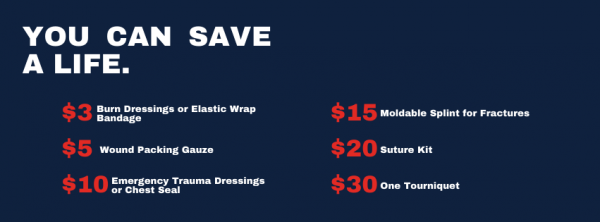
Every amount matters. You are capable of saving a life.

In a world of overwhelming need, your individual action creates real, measurable impacts. That’s the GRM difference – direct action, immediate results, lasting change.

“If not us, who?”

With gratitude,
The Global Response Medicine Team

News Updates

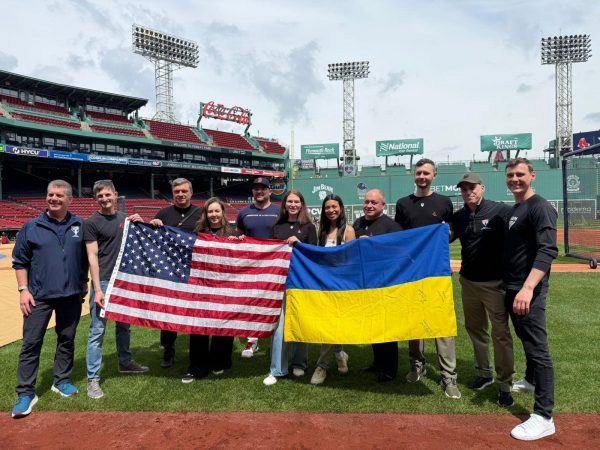
Fenway Park hosts Ukrainian physicians

May 5, 2025

Originally reported by Emily Maher on WCVB.  Full article linked here.  The Ukraine Invisible Wounds Program is a joint project between GRM and Home Base.

A group of doctors and clinicians from Ukraine are visiting Boston this week, learning from some of the best medical professionals in the U.S., on how to better heal the invisible wounds of war.

As a part of their trip, they were able to visit Boston’s Fenway Park, home of the Red Sox.

For the last three years, the physicians have been treating the physical and invisible wounds of those fighting in Ukraine.

“All people who actually care about veterans and active duty and care for their welfare and wellbeing during the war and after the war, are united under the same goal,” said Ukrainian Dr. Taras Kushnir.

Now, a new initiative through Home Base, a nonprofit founded by the Red Sox and Mass General Hospital, is hoping doctors in Ukraine and those in the U.S. can learn from each other.

“Our experience with the 20-year war in Afghanistan and Iraq prepares you in some ways, unfortunately, prepares you, and you also learn from your mistakes,” said Ron Hirschberg of Home Base.

Earlier in 2025, five members from Home Base traveled to Ukraine as part of the initiative.

On Sunday, Home Base hosted those from Ukraine at Fenway, where they met Red Sox pitcher and Ukrainian supporter, Liam Hendriks.

“It’s incredible how these terrible and inhumane things can unite people,” Hendriks said. “With them now coming over here, we can kind of merge processes together, which is always something that can be good.”

Global Response Medicine will host a concert Wednesday evening at 7:30 p.m. in Cambridge in honor of Ukraine’s service members, veterans and families.

Photo credit: GRM

Publications

Leveraging electronic health records in international humanitarian clinics for population health research

Published in JMIR Public Health Surveill 2025 | vol. 11 | e66223 | p. 8

Abstract below.
Full publication: Leveraging Electronic Health Records in International Humanitarian Clinics

ABSTRACT


Background: As more humanitarian relief organizations are beginning to use electronic medical records in their operations, data from clinical encounters can be leveraged for public health planning. Currently, medical data from humanitarian medical workers are infrequently available in a format that can be analyzed, interpreted, and used for public health.

Objectives: This study aims to develop and test a methodology by which diagnosis and procedure codes can be derived from free-text medical encounters by medical relief practitioners for the purposes of data analysis.

Methods: We conducted a cross-sectional study of clinical encounters from humanitarian clinics for displaced persons in Mexico between August 3, 2021, and December 5, 2022. We developed and tested a method by which free-text encounters were reviewed by medical billing coders and assigned codes from the International Classification of Diseases, Tenth Revision (ICD-10) and the Current Procedural Terminology (CPT). Each encounter was independently reviewed in duplicate and assigned ICD-10 and CPT codes in a blinded manner. Encounters with discordant codes were reviewed and arbitrated by a more experienced medical coder, whose decision was used to determine the final ICD-10 and CPT codes. We used chi-square tests of independence to compare the ICD-10 codes for concordance across single-diagnosis and multidiagnosis encounters and across patient characteristics, such as age, sex, and country of origin.

Results: We analyzed 8460 encounters representing 5623 unique patients and 2774 unique diagnosis codes. These free-text encounters had a mean of 20.5 words per encounter in the clinical documentation. There were 58.78% (4973/8460) encounters where both coders assigned 1 diagnosis code, 18.56% (1570/8460) encounters where both coders assigned multiple diagnosis codes, and 22.66% (1917/8460) encounters with a mixed number of codes assigned. Of the 4973 encounters with a single code, only 11.82% (n=588) had a unique diagnosis assigned by the arbitrator that was not assigned by either of the initial 2 coders. Of the 1570 encounters with multiple diagnosis codes, only 3.38% (n=53) had unique diagnosis codes assigned by the arbitrator that were not initially assigned by either coder. The frequency of complete concordance across diagnosis codes was similar across sex categories and ranged from 30.43% to 46.05% across age groups and countries of origin.

Conclusions: Free-text electronic medical records from humanitarian relief clinics can be used to develop a database of diagnosis and procedure codes. The method developed in this study, which used multiple independent reviews of clinical encounters, appears to reliably assign diagnosis codes across a diverse patient population in a resource-limited setting.

Press Releases

Home Base and Global Response Medicine Launch “Invisible Wounds of Ukraine” Initiative to Support Ukrainian Service Members, Veterans, Families and Medical Professionals

March 27, 2025

Article published as a news release on Home Base’s website.  Link to original article here.

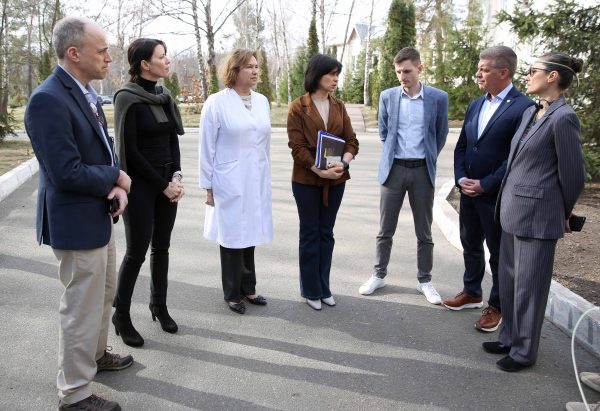
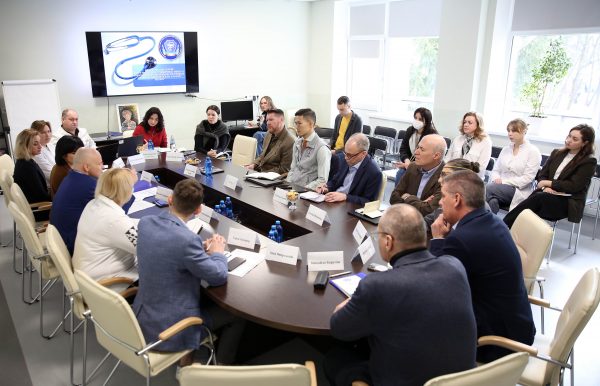
CHARLESTOWN, Mass.  Home Base, a national non-profit founded by the Red Sox and Massachusetts General Hospital, recently returned from a vital visit to Ukraine in March. The trip was part of a pioneering collaboration with the U.S. Veteran-founded non-profit, Global Response Medicine (GRM), to support the rehabilitation and resilience of Ukraine’s Service Members, Veterans and their Families. This visit marked a critical step in the joint “Invisible Wounds of Ukraine” initiative, expanding clinical care models and training for Ukrainian medical professionals as they navigate an unprecedented demand for treating wounds of war.

During the visit, Home Base and GRM representatives met with officials from the Ministry of Internal Affairs and Parliament to better understand Ukraine’s evolving medical challenges and the innovative solutions being implemented. They also explored how Home Base’s more than 15 years of expertise in gold-standard mental health and brain injury care for U.S. Troops and their Families could support these efforts. Discussions focused on equipping Ukrainian medical personnel with advanced techniques in trauma recovery, stress resilience, and reintegration support.

At the heart of this initiative is an exchange of expertise between Home Base, Harvard Medical School and Mass General Brigham specialists, alongside their Ukrainian counterparts. By working together, they aim to ensure that new approaches to mental and brain health care are effectively implemented and tailored to Ukraine’s specific needs.

Among those leading these efforts were senior leaders from Home Base, GRM, Harvard Medical School, Mass General Brigham psychiatry and physiatry experts and the Benson Henry Institute for Mind Body Medicine at MGH. Home Base specialists, who focus on treating the invisible wounds of war, spent the week engaging with Ukrainian physicians, visiting medical facilities and assessing the mental, neurological and physical rehabilitation needs of wounded Service Members.

This initiative is designed not only to provide immediate support but also to develop long-term solutions for Ukraine’s Service Members, Veterans and their Families. Key areas of focus include enhancing resilience strategies for frontline personnel using trainings developed at the Benson-Henry Institute in collaboration with Home Base, developing interventions for emerging threats such as drone warfare and establishing sustainable rehabilitation and reintegration models to support the hundreds of thousands of Ukrainian Service Members and Veterans transitioning back to civilian life.

Phase Two of the initiative will begin at the end of April when Home Base welcomes their eight Ukrainian mental health counterparts to Boston for an immersive fellowship at Home Base, MGB Psychiatry, Spaulding Rehabilitation Hospital and the Benson Henry Institute for Mind Body Medicine. Ukrainian medical professionals will train alongside Home Base, MGH and Harvard Medical faculty to adapt and implement a Veteran and family mental health care model tailored to Ukraine’s needs. Home Base’s experience supporting more than 45,000 U.S. Veterans and Service Members since 2009 at its Center of Excellence in Charlestown, Massachusetts, will serve as a foundation for developing similar centers in Ukraine.

Additionally, Home Base will introduce its “Resilient Warrior Performance Program”, equipping Ukrainian frontline personnel with practical tools to enhance resilience and performance under combat conditions. A structured fellowship program will also be explored, allowing Ukrainian physicians to train at Home Base and Mass General Brigham, laying the groundwork for long-term mental health support for Ukraine’s Service Members, Veterans and their Families.

“In the conditions of a full-scale war, Ukraine is facing unprecedented challenges in the field of medical care for military personnel, veterans and their families,” said Lilia Boyko, Director of the Department of Health of the Ministry of Internal Affairs of Ukraine. “Protecting the country is not only about fighting on the front lines, but also supporting those who return from war with injuries that are not always visible from the outside. The so-called “invisible wounds” of war require special attention – psychological and traumatic brain injuries, which affect the health of our defenders and their reintegration into the society.

Cooperation with Home Base and Global Response Medicine is an important step towards creating a support system that will help our defenders even after the war ends. International experience, adapted to Ukrainian realities, will allow us to introduce new approaches to the treatment of combat stress, traumatic brain injuries and other consequences of war.

We are grateful to our partners for their support and willingness to share knowledge. This will not only help improve the treatment of Ukrainian military personnel, but will also contribute to the formation of a sustainable medical care system that will work for the future. War leaves deep traces in the minds of everyone who experiences it, and we must do everything possible to ensure that our defenders receive high-quality and timely assistance.

The Ministry of Internal Affairs of Ukraine is ready to fully facilitate the implementation of this initiative and ensure its effective integration into our medical system. We believe that thanks to this cooperation we will be able to provide our military not only with proper medical care, but also a chance for a full life after the war.”

“Since GRM entered Ukraine just eight days after the Russian invasion began in 2022, we’ve witnessed firsthand the devastating toll this war has taken on both body and mind,” said Andrea Leiner, Deputy Director of Global Response Medicine. “For the past three years, we have focused on acute trauma medicine through direct care and professional exchange programs while closely tracking the growing impact of brain injuries and combat stress on Ukraine’s soldiers and Veterans. When the Ukrainian government asked us to expand into invisible wounds, we immediately turned to our friends at Home Base, knowing they are the best in the field.

By bringing together Ukrainian mental health leaders—who are treating unprecedented patient volumes and injury patterns—with American experts who have decades of experience caring for combat Veterans, we are fostering a critical knowledge exchange. This collaboration not only supports Ukraine’s service members and their families but also drives advancements in medical care, which will extend to US service members as well.”

“As Americans who have confronted the complex challenges of the Global War on Terror, we have a profound responsibility to share our hard-learned lessons with our allies and friends in Ukraine,” said Krystal Garvin, Executive Director of Global Response Medicine. “The invisible wounds of war do not discriminate by nationality, and the expertise developed through treating our own Veterans must now be passed on to support Ukraine’s healthcare system. It is both an honor and a privilege to stand side by side with the Ukrainian people as they face an unprecedented mental health crisis that will affect their current 1.2 million Veterans and potentially 5 million more in the coming years. This collaboration represents our enduring commitment to ensuring no warrior, regardless of the flag they serve under, is left to face these challenges alone.”

“We are deeply grateful to Ukraine, its leadership, dedicated medical staff and its incredibly proud and resilient people for hosting us and for GRM’s continued dedication to implementing projects that are critical to Ukraine’s medical and military communities,” said Michael Allard, Chief Operating Officer of Home Base who was among the Home Base leadership who made the trip to Ukraine. “Immersing ourselves into this proud country’s fight to protect and heal its people was a humbling honor that comes with great responsibility.  In addition to Ukrainian Soldiers on the front line, every man, woman and child across the country faces daily missile and drone attacks. Tens of thousands are injured and the need to treat, heal and recover is unprecedented. We look forward to sharing Home Base’s innovative and effective care models with our Ukrainian medical leader teams to provide world-class treatment and rehabilitation for their wounded warriors.”

Dr. Ron Hirschberg, Medical Director, Brain Health Program at Home Base, emphasized the importance of being on the ground as a provider, stating, “Being here in Ukraine, side by side with those who have given so much for their country, has been incredibly humbling. As providers, we have the responsibility to listen and learn from their experience in order to best support these brave individuals as they navigate the physical and emotional toll of war. This experience reinforces the urgent need for comprehensive mental health care and reintegration programs, and I am honored to be part of this mission.”

“It is an honor to support this work alongside Global Response Medicine in Ukraine, Retired Brig. Gen. Jack Hammond, Executive Director of Home Base, said. “Their unwavering commitment to providing critical care in some of the most challenging environments is truly inspiring. By working together, we can share expertise, develop essential training programs, and ultimately improve the lives of those who have sacrificed so much.”

“We are proud to integrate the Benson-Henry Institute’s proven mind-body medicine techniques into this vital program supporting Ukraine,” said Greg Fricchione, Director of the Benson-Henry Institute. “Through our collaboration with Home Base and GRM, we can share expertise, develop essential training programs, and, most importantly, bring this care to Ukraine’s Soldiers and their Families as well as caregivers who need it most.”

About Home Base
Home Base is a national non-profit founded by the Boston Red Sox and Mass General Hospital.   Home Base is dedicated to healing the invisible wounds of war for Veterans, active-duty Service Members, Military-Connected Families and Families of the Fallen. Home Base leverages the incredible medical resources of the Mass General Brigham, Spaulding Rehabilitation Hospital, and the greater Harvard Medical School, to create innovative models of care. Since inception, Home Base has provided clinical care and support to more than 45,000 U.S. Veterans, Service Members and Families across the nation – all at no cost to them. For more information visit homebase.org.   As Home Base’s impact has grown, allied nations have increasingly turned to Home Base to learn about its innovative approach to providing healing and hope.

About Global Response Medicine (GRM):
Global Response Medicine (GRM) is a U.S. Veteran-founded 501(c)(3) nonprofit organization that delivers emergency medical care and advanced clinical training to populations impacted by conflict and disaster. Founded in 2017, GRM operates in high-risk, low-resource environments, integrating principles from military, academic, and prehospital medicine to further evidence-based response. With missions in 10 countries and more than 150,000 people served, GRM has a proven track record of effective deployments in Ukraine, Iraq, Sierra Leone, Mexico, and beyond. GRM goes where others won’t to do what others can’t. Our mission is simple, Save Lives. Period. For more information, visit www.global-response.org.

About Benson Henry Institute (BHI):
The mission of BHI is to fully integrate mind body medicine into mainstream healthcare at the Massachusetts General Hospital, as well as throughout the country and the world, by means of rigorous, evidence-based research and clinical application of this work.

Notes from the field

I Can’t Stop the Dogs of War

Mission Report: Kyiv, December 2024


As I sit in the safety of my London hotel room, my mind keeps returning to our recent trip to Ukraine. While GRM has been a stable presence since the start of the invasion, it was my first visit as part of the team.  As we boarded the overnight train, I was immediately confronted by sensory memories. The sounds—heavy suitcases rolling over uneven sidewalks, the sharp whistle of the train. The smells—smoke from hand-rolled cigarettes, bitter Nescafe, the unmistakable scent of too many people in too small a space. The sights – women and children lugging suitcases that are too heavy, the style of the train car. These sensations transported me back to Greece in 2016, a reminder that certain experiences span all humanitarian environments, offering strange comfort in uncertain situations.


Mission Impact

Over five intensive days, our team—including Dr. Barclay Stewart (board-certified trauma, burn, and critical care surgeon), Andrea (Deputy Director), and myself—worked alongside Natalya Zachynska (GRM Ukraine Country Director) and Taras Kushnir (Medical Education Director) to advance several critical initiatives:


  • Conducted comprehensive follow-ups with all medical fellows from our US-based specialized training program, validating their implementation of advanced skills and identifying opportunities to strengthen future training
  • Established new partnerships with Kyiv Mental Health Hospital and Main Medical Hospital, laying groundwork for our upcoming Invisible Wounds program
  • Positioned GRM to support critical mental health services for Ukraine’s estimated 5 million veterans

Expanding Our Impact: Veterans’ Mental Health

The Kyiv Mental Health Hospital has requested GRM’s support in professional training—a responsibility we embrace with both determination and humility. As a country with over two decades of combat deployment experience, we carry hard-won insights through successes and failures about treating service members’ physical and mental trauma. Early intervention correlates directly with increased resiliency, and we will not let another generation of veterans face these challenges alone. We are honored to support the hospital’s innovative department.

More details to come in our newsletter next week!

Ground Truth

Life in Kyiv moves to the rhythm of air raid sirens—averaging 10 alarms per night, usually from drones. The rules become second nature: under 10 drones, stay in bed; over 10, head to the basement shelter; for missiles, immediate shelter is non-negotiable. Sunday night into Monday morning brought the most alerts, wreaking havoc on work and school schedules the next day. It’s psychological warfare by design—not all drones carry warheads, but all carry the weight of fear and exhaustion.


While our hotel’s generator spared us from power and heat outages, I can’t shake the feeling that our time there was easy compared to what residents endure. The psychological impact on children particularly haunts me.


The Responsibility of Being There

When people ask about my experience, I struggle with an uncomfortable truth—I loved it. I loved spending time with our team, learning Ukraine’s rich history, savoring the local food, and engaging in discussions about programs that are vital to Ukraine’s future. But most profoundly, I loved reconnecting with our medical fellows.


The hard reality of war means each meeting carries extra weight and a question: will we see each other again? I looked them in the eyes, saw them smile, and gave them hugs – these moments overflow with gratitude, relief, affection, and admiration. I am honored to know them, proud of what they’ve accomplished, and respect what they stand for.


There’s always an adrenaline rush in this work—anyone who claims otherwise needs some self-reflection. But there’s also guilt. Guilt for being excited to go home, guilt for having the option to leave, guilt for leaving at all. The faces of those left behind remain with me, their fates uncertain.


These remarkable individuals embody why we go where others won’t and do what others can’t. Whether you’re saving lives in your community or supporting those who do, you become part of this mission.


Help us help them Save Lives. Period.


Slava Ukraini,
Krystal Garvin


News Updates

Ukrainian doctors, nurses learn skills to heal their decimated health care system

November 11, 2024

Original article by Karen Miller-Medzon for WBUR published HERE.

Dr. Vadym Serdiuchenko is guided through a tube thoracostomy procedure by Dr. Joseph Leanza. (Karyn Miller-Medzon/Here & Now)

The war in Ukraine is heading into its third winter, stretching the battered health care system to its breaking point. The World Health Organization’s last tally in August counted 1,940 attacks on health care facilities and 34 health care workers killed in the first eight months of this year, 10 more than in all of 2023. That’s in addition to injured and conscripted health care workers, rolling blackouts, failing equipment and a profound toll on mental health.

Among the organizations working to bolster and rebuild the country’s medical systems is Global Response Medicine, an NGO on the ground in Ukraine and other war zones. The organization develops battlefield-to-rehab care protocols and trains health care workers in the systems and procedures they need to practice wartime medicine.

Recently, GRM brought a group of Ukrainian health care workers to Boston Medical Center’s Solomont Simulation Center.

Inside the center, Dr. Joseph Leanza points a scalpel at a rack of pork ribs on a silver surgical table. Draped across a patient bed on the other side of the hospital-style room is an eerily life-like mannequin staring straight up at the fluorescent lights. On another table lies what appears to be an armless torso. It all looks a little like the set of a high-tech horror movie.

But that illusion is broken by a dozen Ukrainian health care workers — doctors, nurses, residents and a hospital director — crowded around Leanza, waiting to try out procedures and equipment that can help improve patient care in Ukraine.

Leanza — an emergency medicine doctor at BMC — is also the medical director for GRM which brought the health care workers to Boston from hard-hit cities including Kyiv, Kharkiv and Izyum. He’s guiding the group through ultrasound-assisted intubations, central line placement and more.

Of course, some of the demonstrations — no less important on the battlefield — are a little less high-tech, including surgical procedures on slabs of pork ribs purchased that morning at a local grocery store.

“They set them up as a sort of analog of the chest wall,” Leanza explains. “If someone has a gunshot wound or a stab wound to the chest, sometimes too much blood or too much air accumulate in the chest… and evacuating the blood can be the only necessary component to saving someone’s life.”

Among the Ukrainians digging in is Kharkiv doctor Vadym Serdiuchenko, who inserts his scalpel gingerly into the ribs, but turns quickly to Leanza to ask about how deep to go. Leanza suggests going “through the muscle, into the intercostals.”

Serdiuchenko says through a translator that this is the kind of practice and training he can’t get in Ukraine in wartime.

Across the room, also laser-focused on her task, is Viktoriia Totkalova. She’s using ultrasound guidance to insert a needle into an anatomically correct neck and torso. BMC ultrasound fellow Noelle Bates carefully guides her through the central line placement, a very skilled and potentially dangerous procedure.

“In a warzone, if somebody needs rapid fluid administration, this would be a way to go,” Bates explains.

Susanna Aksenkova is a second-year intensive care unit resident in Kharkiv where hospitals are being rebuilt even as the bombs are still falling. She says she and her mother — her only family — are from the Donbas region. But when shelling got too intense there at the beginning of the war, her mom left Ukraine. Aksenkova, just beginning her training, opted to stay in Kharkiv.

“In Ukraine, and especially in Kharkiv, we have a lot of critical patients with a blast injury,” she says. “So, we need to improve our knowledge and our system to give better medical treatment for them.”

She’s grateful for any opportunity to gather very specific skills that match the overwhelming need she sees in her hospital.

“I mean that for the patients, it’s really important,” she says, “like how deep you need to use your central line, how you need to fixate it, and extra materials you need for this procedure.”

Aksenkova continues, “Sometimes it’s difficult to do it in Ukraine because we don’t have enough equipment for a lot of procedures. And sometimes it’s really useful just to ask much more competent people and doctors how you can do it with such kind of equipment, which we have now.”

Victoriia Totkalova practices an ultrasound-guided central line placement on a simulation neck/torso. (Karyn Miller-Medzon/Here & Now)

She goes on to explain the dismal state of medical care in her city.

“Nowadays, we don’t have enough medical staff. We don’t have enough doctors, we don’t have enough nurses,” Aksenkova says. “So, I truly can say that as a resident now we do almost the same as the MD.”

“It’s not so good because we don’t have enough clinical experience,” Aksenkova admits, but says she is still relieved to have stayed behind after her mother left, because, “I think I can help people right now in Kharkiv, and that’s important.”

Bohdan Berezhnyi has been listening quietly. He’s an anesthesiologist and the medical director of Izyum’s hospital, about 45 miles from the Russian front. His city spent more than six months under Russian occupation.

“Our hospital was destroyed at the beginning of war,” he says. “It’s a very sad story… If there is a war in your city, you haven’t electricity, you haven’t water, you haven’t heat, you cannot even walk to the street because a lot of the explosions.”

He explains that doctors were forced to hide on the ground floor of the hospital because attempting to go home was too risky.

“The emergency system didn’t work. You cannot call to your friends, your medical staff to come in. You just stay in your hospital on the ground floor and you wait for the patient who just can’t even have the possibility to come to the hospital by themselves,” he says, referencing the fact that during heavy shelling, it’s not possible for ambulances to respond.

When asked whether people simply die on the ground, he answers, “I’m sorry. But yes.”

Berezhnyi tells one particularly poignant story about Izyum residents trying to flee by running and driving over the only bridge leading out of the city.

“Despite Russia targeting them, 30 people die on one side [of the bridge] and 30 on the other side,” Berezhnyi says. “A man tries to cross the bridge and he hears bullets. He turns on the ground, he feels pain in his abdomen part, but he stays in this condition by one day.”

The man was retrieved by family members on the second day, but it was still too dangerous to bring him to the hospital. Finally on the third day, he was brought in for treatment. Berenzhnyi says that the man survived, but that he was the exception. Berezhnyi says those bleak days left him eager for training like this one, which he hopes will mean saving more lives.

Among the things he’s learning from his stint with GRM, he says, is how to standardize systems so that every patient gets the same intake, evaluation and assessment at every level of treatment.

Of course, the equipment hasn’t gone unnoticed.

“Our doctors can’t even imagine about this equipment,” Berezhnyi laughs. “And I personally too! The CT scan and the ultrasound equipment and the ventilators. It’s very interesting to us.”

Despite what feels to these Ukrainian health care workers like a never-ending war, Berezhnyi says he’s optimistic about rebuilding the medical systems in Ukraine, partly because of NGOs like GRM that are partnering with his country to bolster skills, training and systems.

Aksenkova, who’s never practiced outside a warzone, thinks carefully before weighing in on whether she shares his optimism.

“Probably more ‘yes’ than ‘no’” she says, “because difficult times… can create strong people.”

She says that the world’s medical community is taking note of what Ukraine is able to do on the battlefield.

“I see it every time if we are talking, not only about the civilian medicine, but also talking about the military medicine,’Aksenkova says. “I see how the protocols are changing because of the Ukraine, not only for Ukrainian doctors, but also for doctors throughout the world because we can now treat such a kind of injuries with such a low amount of equipment.”

But the irony is not lost on her. She says that having a top-notch simulation center, great education and a more resilient medical system would have been better learning tools than teaching “all this in such a cruel way.”

Aksenkova adds, “But it’s working.

*****

Karyn Miller-Medzon produced and edited this interview for broadcast with Todd Mundt. Miller-Medzon adapted it for the web.

This segment aired on November 11, 2024.