Publications

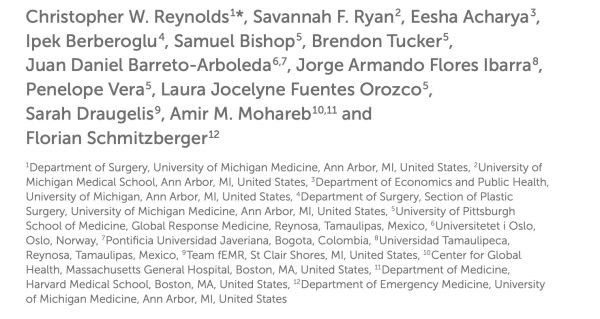
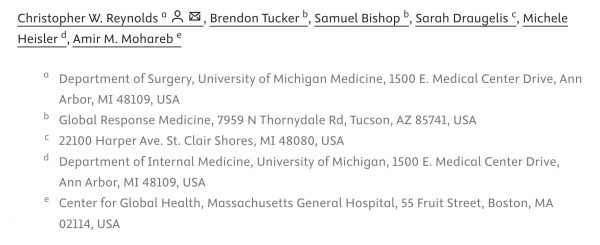
Determinants for the humanitarian workforce in migrant health at the US-Mexico border: optimizing learning from health professionals in Matamoros and Reynosa, Mexico

Published in Frontiers in Public Health, 9 October 2024, Sec. Disaster and Emergency Medicine, Volume 12-2024
https://doi.org/10.3389/fpubh.2024.1447054

Full article can be downloaded here: Determinants for the humanitarian workforce in migrant health at the US-Mexico border- optimizing learning from health professionals in Matamoros and Reynosa, Mexico

Abstract Below.
Introduction: Shortages of health professionals is a common problem in humanitarian settings, including among migrants and refugees at the USMexico border. We  aimed to investigate determinants and recruitment recommendations for working with migrants to better understand how to improve health professional participation in humanitarian efforts.

Methods: Semi-structured interviews were conducted with health professionals working with migrants at the US-Mexico border in Matamoros and Reynosa, Mexico. The study aimed to identify motivations, facilitators, barriers, and sacrifices to humanitarian work, and recommendations for effective learning approaches to increase participation. Participants included health professionals working within humanitarian organizations to deliver healthcare to migrants living in non-permanent encampments. Interviews lasted approximately 45  min and were analyzed in NVivo14 using a validated codebook and team-based methodology

Results: Among 27 participants, most were female (70%) with median age 32. Health professionals included nurses (41%), physicians (30%), logisticians (11%), social workers (7%), an EMT (4%), and a pharmacist (4%) from the US (59%), Mexico (22%), Cuba (11%), Peru (4%), and Nicaragua (4%) working for four organizations. Participants expressed internal motivations for working with migrants, including a desire to help vulnerable populations (78%), past experiences in humanitarianism (59%), and the need to address human suffering (56%). External facilitators included geographic proximity (33%), employer flexibility (30%), and logistical support (26%). Benefits included improved clinical skills (63%), sociocultural learning (63%), and impact for others (58%). Negative determinants included sacrifices such as career obligations (44%), family commitments (41%), and safety risks (41%), and barriers of limited education (44%) and volunteer opportunities (37%). Participants criticized aspects of humanitarian assistance for lower quality care, feeling useless, and minimizing local capacity. Recommendations to increase the health workforce caring for migrants included integration of humanitarian training for health students (67%), collaborations between health institutions and humanitarian organizations (52%), and improved logistical and mental health support (41%).

Conclusion: Health professionals from diverse roles and countries identified common determinants to humanitarian work with migrants. Recommendations for recruitment reflected feasible and collaborative approaches for professionals, organizations, and trainees to pursue humanitarian health. These findings can be  helpful in designing interventions to address workforce shortages in humanitarian migrant contexts.
Publications

Health effects and user perceptions of the US Customs and Border Patrol One™ mobile application: A qualitative analysis among asylum seekers at the Mexico-US border

Published in Journal of Migration and Health, Volume 10, 2024, 100265

Available online 8 August 2024, Version of Record 12 August 202

Abstract below.
Full publication: Health effects and user perceptions of the US Customs and Border Patrol One™ mobile application


ABSTRACT

Background: The number of migrants at the Mexico-US border has increased to historic levels, and frequently changing immigration policy impacts this population as they await entry into the US. This study evaluated the usability and health effects of the Customs and Border Protection (CBP) One™ mobile application among asylum seekers near the US port of entry in Reynosa, Mexico.

Methods: We conducted semi-structured qualitative interviews with 20 asylum seekers in Reynosa, Mexico, in February 2023. Our objective was to explore the subjective experiences of migrants, usability of CBP One™, and presence of perceived health effects from using the application. Interviews were conducted until saturation occurred, transcribed verbatim into Word, coded in NVivo using a validated, team-based coding methodology, and analyzed according to internal domains, external domains, and health effects regarding CBP One™.

Results: Twenty participants originated from eight countries throughout Latin America and the Caribbean. In total, 18 subthemes were identified among internal, external, and effects domains. Internal themes included a confusing application interface (80%), technical malfunction (60%), and perceived racial bias from the photocapture features (15%). External themes challenging CBP One™ use included unavailable appointment slots (80%), inequity and inaccessibility (35%), and inadequate internet (25%). Most perceived effects were negative (85%), including worsening mental health effects (40%), exacerbation of pre-existing physical conditions (35%), and forgoing health expenditures to pay for internet (25%).

Conclusions: Our findings suggest that asylum seekers at the Reynosa port of entry perceive CBP One™ negatively, with detrimental effects towards their mental and physical health. This study highlights how immigration policy can influence health and suggests that more creative and humane approaches are needed for people seeking asylum at the Mexico-US border.

News Updates

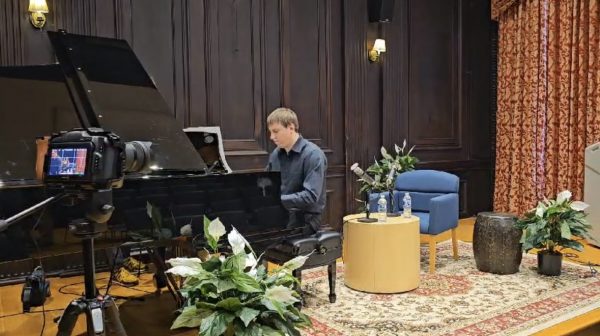
Ukrainian anesthesiologist finding peace through music with Home Base

June 7, 2024

Originally reported by Jennifer Peñate on WCVB5.  Full article linked here.

Photo courtesy of GRM


A doctor who lived through a deadly airstrike in Ukraine is now finding some peace through music thanks to the Boston-based organization Home Base.

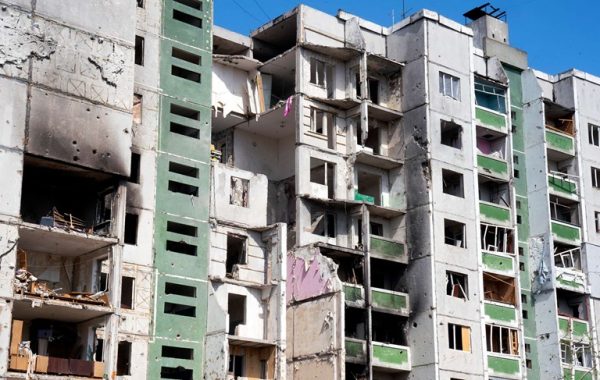
“The building was just cut in two pieces by airstrike. The underground floor, covered 70 people, 60 of them died,” said Ukrainian anesthesiologist Dr. Bohdan, recalling surviving a Russian airstrike in 2022 inside a hospital basement used for surgeries.

“So much stress that you just try to cure patients,” he said.

Now in Boston, he’s found respite alongside Berklee Music and Health Institute, moving his hands across a piano for the first time in over two years.

“Studies show that music therapy can support with stress reduction, can support with anxiety and depression,” Cynthia Koskela, the music therapy director at Berklee College.

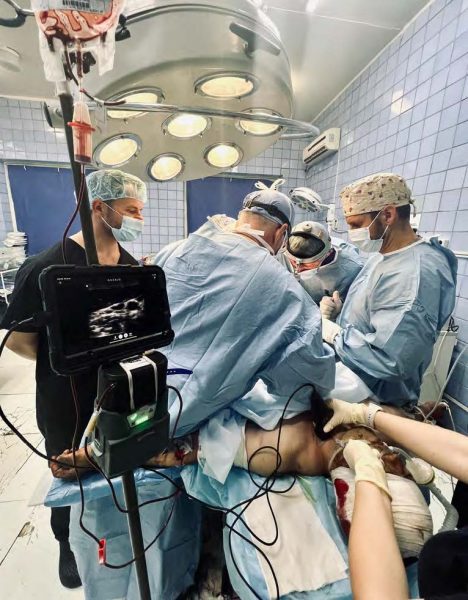
Bohdan is in Boston with Global Response Medicine, a nonprofit treating soldiers and civilians in Ukraine, learning from surgeons at Mass General Hospital.

“It’s hard not to cry. I’ve been living there for over a year now. Being able to show that connection of what the Ukrainian people are going through, he hits that on the spot with his music,” said Dr. Stephen Donnelly, of Global Response Medicine.

Local veteran nonprofit Home Base made this moment of musical reflection possible.

“It was pretty amazing to experience,” said Home Base Medical Director Dr. Ron Hirschberg.

He said music can be a powerful form of healing invisible wounds.

“It’s really that mind-body connection in how we can help veterans and military families come back home in a sense,” he said.

Bohdan, cherishing the moment, looks toward his return to Ukraine with a new perspective on healing.

“But first we need peaceful skies and quiet nights,” Bohdan said.

Newsletter

On the front line: War Wound SpecialtyTraining for Ukraine’s Front Line Physicians

February 24th marks the second anniversary of the invasion of Ukraine. GRM has been there for 722 of those days.

Responding to an urgent request by the Ukrainian government, GRM is supporting three cohorts of medical teams from the Military Medical Academy, Border GuardsUkraine and National Guards Ukraine, who are tasked with the care of war wounded patients at forward resuscitation facilities and serve as the lead medical trainers for their respective organizations.

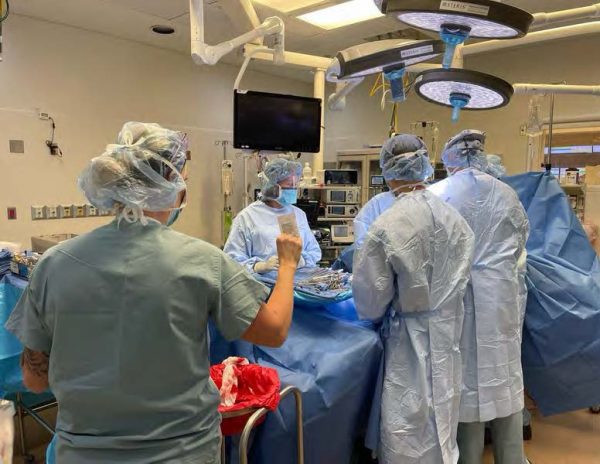
During the program, these 15 medical professionals will explore best practice techniques, both in Europe and in the US, for managing complex traumatic injuries, including resource management, team management, and field diagnostics.

The program is tailored to the specific needs and requests of each organization.

Program Objectives


  • Explore best practice techniques for war-related injuries at leading international medical facilities
  • Implement the new skills and concepts learned, considering the local context
  • Help cohorts prepare to share their new kills and knowledge acquired during rotations by implementing TTT (Train-the-Trainer) modules
  • Learn the most efficient and up-to-date techniques and approaches in trauma management
  • Knowledge-exchange and immersion with foreign colleagues
  • Understand how a system of team trauma management works in other environments

Program Schedule


The training cycle as five rotations:

  • Rotation #1 took place in Ukraine in January 2024 and focused on Advanced Surgical Skills for Exposure to Trauma (ASSET).
  • Rotations #2-4 will be held in US and NATO facilities from March – June 2024.
  • Rotation #5 will take place in Ukraine and will focus on applying the new approaches, skills, and knowledge to the local context, ensuring we cover and gap in needs.

Curriculum

While the curriculum will be customized to the physicians’ needs, the following core topics will be covered:

  • Resuscitation
  • Trauma surgery
  • Field surgery
  • Mass casualty management
  • Amputation
  • Burn care

Rotations take place at leading institutions in Chicago, North Carolina, Philadelphia, Amsterdam, Kyiv, Budapest, and beyond.


Program Costs


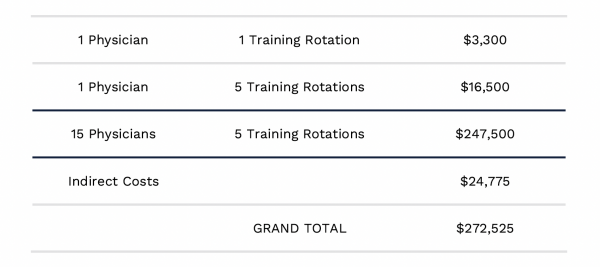
With travel, equipment, and coordination, the cost of the program is $16,500 for each physician for a total of $247,500 for direct costs.

Expected Results


Save lives. Period.


Increased trauma skills for for front line medical professionals immediately means that more lives will be saved and less people will suffer life-altering injuries.

15 medical specialists will be trained on best practice techniques for complex injury management.

New knowledge and immersion at leading international centers working with military trauma.

Save more lives through capacity building.


The graduates will be prepared to work in a TTT format to share their new knowledge with the next cohort of Ukrainian medical professionals.

Increased knowledge in quantity & quality – the graduates will share their knowledge and provide training to future cohorts.

Establish partnerships with international medical institutions fostering multi-lateral relationships.

Contributing to the evolution of front line medical protocols.


“We need to make sure they don’t die, and reach the next point of evacuation.” – Oleksii, Physician


Publications

Life Over Limb

Why Not Both? Revisiting Tourniquet Practices Based on Lessons Learned From the War in Ukraine

Published in the Journal of Special Operations Medicine Spring (2024, Volume 24, Edition 1).

Full publication: Life Over Limb Publication_JSOM.

Abstract below

Jessica L. Patterson, MD; Robert T. Bryan, DO; Michael Turconi, BSc; Andrea Leiner, APRN FNP-BC; Timothy P. Plackett, DO, MPH; Lori L. Rhodes, MD; Luke Sciulli, NRP, ATP; Stephen Donnelly, MD; Christopher W. Reynolds, MS; Joseph Leanza, MD, MPH; Andrew D. Fisher, MD, MPAS; Taras Kushnir, MD, MPA; Valerii Artemenko, MD; Kevin R. Ward, MD;
John B. Holcomb, MD; Florian F. Schmitzberger, MD, MS

ABSTRACT
The use of tourniquets for life-threatening limb hemorrhage is standard of care in military and civilian medicine. The United States (U.S.) Department of Defense (DoD) Commit- tee on Tactical Combat Casualty Care (CoTCCC) guidelines, as part of the Joint Trauma System, support the application of tourniquets within a structured system reliant on highly trained medics and expeditious evacuation. Current practices by entities such as the DoD and North Atlantic Treaty Organization (NATO) are supported by evidence collected in counter- insurgency operations and other conflicts in which transport times to care rarely went beyond one hour, and casualty rates and tactical situations rarely exceeded capabilities. Tourniquets cause complications when misused or utilized for prolonged durations, and in near-peer or peer-peer conflicts, contested airspace and the impact of high-attrition warfare may increase time to definitive care and limit training resources. We present a series of cases from the war in Ukraine that suggest tourniquet practices are contributing to complications such as limb amputation, overall morbidity and mortality, and increase burden on the medical system. We discuss factors that contribute to this phenomenon and propose interventions for use in current and future similar contexts, with the ultimate goal of reducing morbidity and mortality.

In The News

730 days of war in Ukraine: Medevac teams provide vital relief

Original posted on WHO, February 24, 2024


Photo credit: WHO/Christopher Black.

730 days

since the escalation of the war

3.7 million people

are currently internally displaced

Over 10,000 civilians

have been killed

Over 30,000 civilians

have been injured

1,603 attacks

on Ukraine’s health-care system

118 health workers

have been killed
___________________________________________________________________________________

As a consequence of war, the Ukrainian health system continues to operate under extreme pressure. Despite its resilience, ongoing challenges make it difficult to support the heavy burden of complex trauma patients, which necessitates medical evacuations (medevac).

Since March 2022, the Ministry of Health of Ukraine’s Medevac Coordination Unit has successfully managed and coordinated over 3500 medical evacuations abroad for patients who required specialist trauma treatment, and oncology, rehabilitation or prosthetic care.

Multiple partners and a complex series of steps are needed to safely transport patients from the first point of care to specialized services in country or abroad.

In January 2023, WHO/Europe responded to a direct request for assistance from Ukraine to support the voluntary return of patients following their treatment abroad. Funding was secured from the European Commission Service for Foreign Policy Instruments and an 18-month medevac and repatriation project was established with the Ministry of Health of Ukraine.

WHO continues to provide technical and operational guidance to the Ministry of Health’s Medevac Coordination Unit, as they further establish themselves as a dedicated project office with 27 operational staff in Kyiv and in other key oblasts.

Since June 2023, the Ministry of Health has coordinated and managed the safe return of 287 patients, of which 23 required specialized medical repatriation transportation provided by project partner Deutsche Flugambulanz.

The Lviv Regional Center for Emergency Medical Care and Disaster Medicine has been enabled to lead on all cross-border patient transfers. Close collaboration is in place with the Medevac Hub Jasionka and several other stakeholders involved in medical evacuation and repatriation. A unique partnership with the charitable foundation Medical Mission enables these operations.

Around 250 interhospital transfers have been supported by project partner Artesans-ResQ, who are embedded within the emergency medical services (EMS) in Dnipro. Of these transfers, 191 were critical patients who required ventilation support during travel. Over 31 918 km have been travelled in transporting such high-risk patients.

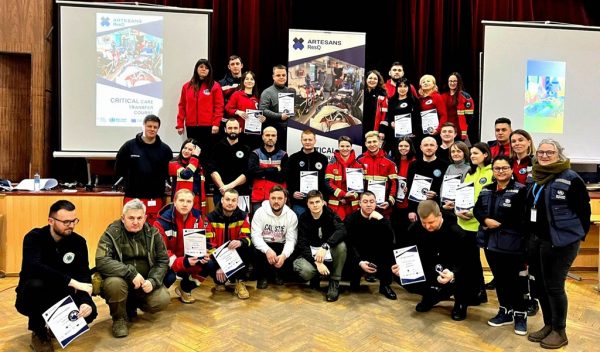
Fifty-three EMS staff, at least 2 from each of the 24 oblasts, have completed the participant–internship–instructor critical care training pathway implemented by Artesans-ResQ in close collaboration with the Ukrainian Scientific and Practical Center of Emergency Medical Care and Disaster Medicine.


Photo credit: Artesans Res-Q. Ukrainian EMS participants graduate from the critical care transportation course, Dnipro, February 2024.

“The training has shown that standardization of clinical protocols in critical care transfers is crucial. Having procedures and protocols in place, we will be able to train medical staff involved in patient transportation accordingly and apply the standardized procedures at each stage of patient care, during transportation and handover. Thanks to this, we will have shared protocols not only with local doctors from other teams and regions but also with doctors from abroad. This will help us act faster and improve the quality of assistance provided.” – Dorosheva Nataliia, Head of the Training Department of the Center for Emergency Medical Care and Disaster Medicine of Zaporizhzhia Oblast

“Transportation of an intensive care patient can cause a lot of stress. When medical staff are not familiar with critical care transportation protocols, this can contribute to stress levels. Being familiarized with the protocols, we now know how to conduct a handover and manage an intubated patient during transportation, and how to monitor the patient’s status. We know precisely which critical points to pay attention to. That increases patient safety and helps medical staff manage stress levels.” – Snizhana Holub, Doctor of Emergency Medical Care and Emergency Conditions, Poltava


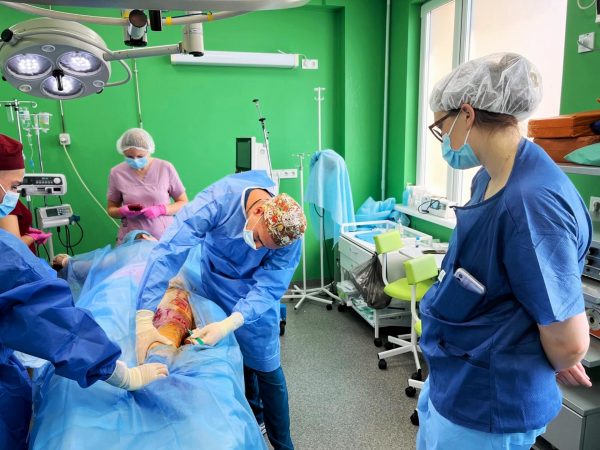
Photo credit: Global Response Medicine. Ukrainian burns centres receive support from international experts in burn care, November 2023.

Clinical teams across several hospital sites in the eastern part of Ukraine have been supported with access to specialist trauma surgery and burns care expertise provided by project partner Global Response Medicine; 111 acute trauma cases have been consulted on.

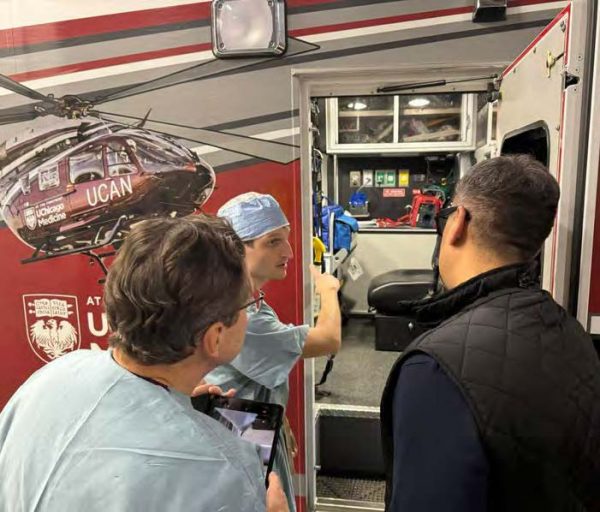
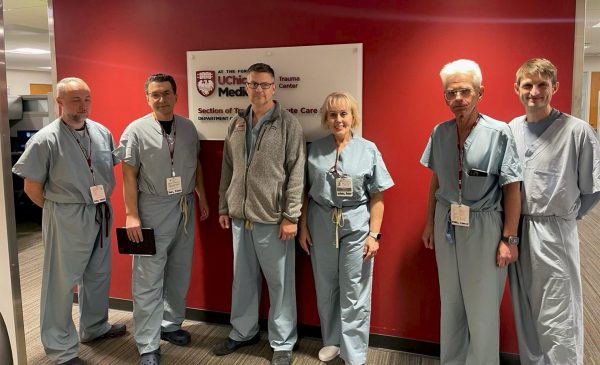
Nine fellows have each received 110 days of intensive trauma care training. Some of them experienced, an immersive clinical exchange at the University of Chicago for shared learning with Global Response Medicine.


Photo credit: Global Response Medicine. University of Chicago hosted Ukrainian trauma surgery experts for a clinical observership, December 2023.

“During an internship at the University of Chicago, we had the opportunity to observe the work of surgeons on patients with polytrauma, as well as how the communication system between medical units is set up. We came back with ideas and motivation to improve our practices and processes.” – Viktoriia Korpusenko, General Director of the Clinical Emergency Hospital of the Dnipro City Council

Despite the challenges and impact that the escalation of the war has had on the Ukrainian health-care system, many partnerships and collaborations have been made in response to the Ministry of Health’s request to support medical evacuations and repatriations.

Publications

Epidemiology of asylum seekers and refugees at the Mexico-US border: a cross-sectional analysis from the migrant settlement camp in Matamoros, Mexico

Published in BMC Public Health, 24 Article number: 489 (2024), 16 February 2024

Full article: Epidemiology of asylum seekers and refugees at the Mexico-US border- a cross-sectional analysis from the migrant settlement camp in Matamoros, Mexico

Abstract below

Christopher W. Reynolds; Allison W. Cheung; Sarah Draugelis; Samuel Bishop; Amir M. Mohareb; Ernesto Miguel Merino Almaguer; Yadira Benitez López; Lestter Enjamio Guerra; Raymond Rosenbloom; Joanna Hua; Callie VanWinkle; Pratik Vadlamudi; Vikas Kotagal & Florian Schmitzberger

ABSTRACT

Background The number of migrants and asylum seekers at the Mexico-US border has increased to historic levels. Our objective was to determine the medical diagnoses and treatments of migrating people seeking care in humanitarian clinics in Matamoros, Mexico.

Methods We conducted a cross-sectional study of patient encounters by migrating people through a humanitarian clinic in Matamoros, Mexico, from November 22, 2019, to March 18, 2021. The clinics were operated by Global Response Medicine in concert with local non-governmental organizations. Clinical encounters were each coded to the appropriate ICD-10/CPT code and categorized according to organ system. We categorized medications using the WHO List of Essential Medicines and used multivariable logistic regression to determine associations between demographic variables and condition frequency.

Results We found a total of 8,156 clinical encounters, which included 9,744 diagnoses encompassing 132 conditions (median age 26.8 years, female sex 58.2%). People originated from 24 countries, with the majority from Central America (n=5598, 68.6%). The most common conditions were respiratory (n=1466, 15.0%), musculoskeletal (n=1081, 11.1%), and skin diseases (n=473, 4.8%). Children were at higher risk for respiratory disease (aOR=1.84, 95% CI: 1.61–2.10), while older adults had greater risk for joint disorders (aOR=3.35, 95% CI: 1.73–6.02). Women had decreased risk for injury (aOR=0.50, 95% CI: 0.40–0.63) and higher risk for genitourinary diseases (aOR=4.99, 95% CI: 3.72–6.85) compared with men. Among 10,405 medications administered, analgesics were the most common (n=3190, 30.7%) followed by anti-infectives (n=2175, 21.1%).

Conclusions In this large study of a migrating population at the Mexico-US border, we found a variety of clinical conditions, with respiratory, musculoskeletal, and skin illnesses the most common in this study period which encompassed a period of restrictive immigration policy and the first year of the COVID-19 pandemic.

Notes from the field

How Soccer Explains the World

by Andrea L., GRM Deputy Director & Chief Program Officer 

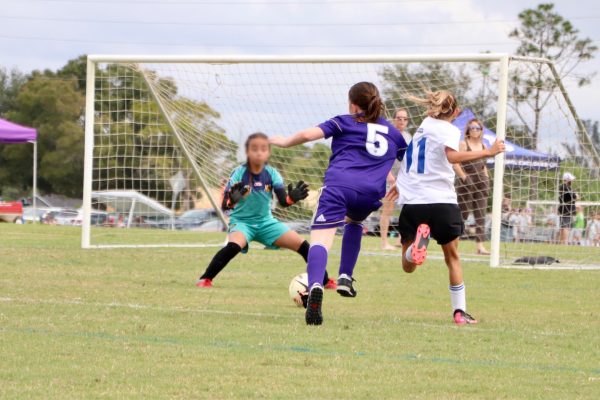
Franklin Foer’s book, How Soccer Explains the World (2004), and David Winner’s, Brilliant Orange (2000), look at the relationship between a team’s style of play and how it reflects culture and socioeconomic conditions in a country. Watching the 2023 Women’s World Cup with my daughter, I can’t help but smile through the games. Each team looks different, plays differently, and has different communication styles—all reflections of who we are as nations and as people. And while the differences may be striking at first, what underlies them is the incredible work ethic it takes to become a professional athlete, the grit it takes to battle it out for 90 minutes at full speed, the maturity to perform on the world stage with millions of people scrutinizing your every move, the confidence to be a leader both on the field and off. 


What most people don’t know is that a significant portion of GRM business is conducted on the sidelines of soccer fields. If you’re talking or messaging with me on weekday evenings or on the weekend, chances are I am either pacing the field or sitting in my camping chair watching my daughter play. As in the above books, her style of play on the field directly reflects who she is as a person and our values as a family.  


Raising a girl is different than raising a boy. Each has a unique way of interacting with the world, and more importantly, how the world interacts with them. I remember in my late teens telling my aunt that I wasn’t a feminist. Her response? “You don’t have to be because I was. You’re welcome.” Ouch. I sat down and shut TF up. 


We’ve come a long way in just over 100 years. From women receiving the right to vote during my grandmother’s generation to my aunt attending university, but only having a choice of three careers—nurse, social worker, or teacher—to me, feeling like I didn’t need to be a feminist but still witnessing rampant sexual harassment in the workplace (no, not someone telling a female colleague that they look nice, I mean unwanted physical contact and threats). Now, my daughter, who plays on both a girls’ travel soccer team and a co-ed team where she kicks ass as a defender and then sticks out a hand to help someone up after a tackle. She thinks nothing of their gender differences other than the age-appropriate, “Sixth-grade boys are so annoying!” 


In both Ukraine and Iraq, GRM’s programs have deliverables that empower women through education and leadership. Some people push back against this and feel we are disempowering men or have a biased approach. Why should women be prioritized in medical training efforts? Why should patient care take extra consideration with female patients? Why do we need to be aware of sending both men and women surgeons, physicians, medics, and nurses to needed areas? 


Well, because of reality. In many of the places we work, the female-to-male nurse ratio is about 70% women and 30% men. However, the nursing leadership ratio is 0% women to 100% men. Yikes. And during disasters and conflict, women and children are vulnerable to sexual and gender-based violence disproportionately to men. So, we ask extra questions. We spend extra time in patient care to make sure there isn’t a hidden wound. We model professional collaboration between men and women. We try to include balanced ratios in training efforts. We aren’t prioritizing based on gender, but instead acknowledging that we exist in equal ratios as humans on this planet (approximately 101 men to every 100 women) and try to reflect that in our efforts. We do it so hopefully the next generation doesn’t have to. 


Watching the Denmark/China Women’s World Cup game while I write this, I think about the first time I understood “strong was the new pretty” for our girls. My daughter was 4 years old, and we were at a classmate’s birthday party. She was the only girl invited, and all the parents stood around while the kids swung at the piñata hanging from a tree. The expectation bar was low and we cheered anytime a kid made contact.  


My daughter was last in the rotation, letting other kids go before her and cheering for her friends. When it was her turn, she stepped up to the piñata and swung the stick so hard and with such control that it hit smack in the center of the donkey piñata and the whole thing burst apart, sending candy flying in all directions. Every father at the party audibly gasped and turned to stare at me with their mouths hanging open. My daughter looked back at me and smiled, then helped a boy with a casted broken arm gather up candy for his bag.

Newsletter

May 2023 Newsletter – Announcing New Partnership with Refugee Health Alliance in Reynosa, MX

Over the last few years, GRM has made a significant impact in Reynosa, Mexico, providing critical medical services to marginalized populations. We have been working together and collaborating with Refugee Health Alliance (RHA), an organization dedicated to serving marginalized and displaced individuals on the U.S.-Mexico border, since 2021. Together, we share a common mission of providing holistic, trauma-informed care and advocating for the well-being of vulnerable populations.

GRM and RHA have been working tirelessly to provide critical medical services to underserved populations on the U.S.-Mexico border in different regions. We are excited to announce a partnership between our organizations to ensure continued access to this critical care in Reynosa. In June 2023, RHA will become the primary organization facilitating the clinics in Reynosa, with GRM moving to a support role. GRM is proud to have worked alongside RHA in pursuit of our shared mission, and we look forward to supporting them as they continue to make a difference in the lives of those they serve.

As we transition our work with RHA, we reflect on our accomplishments, including serving over 23,000 patients, administering more than 40,600 COVID-19 tests, and utilizing over 11,800 donated volunteer hours of medical expertise since 2022. We are proud of our work in Reynosa, and we are excited to see RHA build on our successes.

To learn more about RHA, visit their website at https://www.refugeehealthalliance.org/ and consider adding them to your list of supported non-profits.

You can also help further the GRM mission, which continues around the world in Ukraine, Iraq, and Kurdistan, by starting a Facebook fundraiser in GRM’s honor, setting up a recurring donation, or spreading the word by sharing our social media posts on Facebook and Instagram.

Notes from the field

Volunteer Moments in Reynosa: The Joy of Briefly Being Part of my Patient’s Story

by Michael Felber, Nurse and volunteer with GRM

WARNING! THIS POST CONTAINS SENSITIVE CONTENT THAT SOME READERS MAY FIND DISTRESSING


Over the past year, I have done several volunteer rotations with GRM in Reynosa, Northern Mexico.  Hopefully, this blog will give you an idea of what to expect and to share a few of my memorable moments.

Days begin with a short drive from McAllen, Texas to the border, past an obtrusive stretch of border wall – tucked beyond typical US-style stores and warehouses –  forcing an artificial divide in the landscape as helicopters patrol the border, criss-crossing above us.

We cross the Rio Grande, sharing the international bridge with that morning’s deportees as they silently trudge in a single file back to Mexico in unfastened shoes – laces are confiscated by US immigrations officers – clutching plastic bags containing their few belongings and documents.  Their clothes are still muddy from their recent attempt to enter the US.

Reynosa feels different; it requires situational awareness as organized crime groups monitor the border. I don’t feel afraid or unsafe, but vulnerable. Using a buddy system, always being aware of exits, and being mindful of people around me quickly becomes second nature.

GRM rotates around different clinics in Reynosa, all of them hot, crowded, and noisy.  The local team in Mexico are made up of an impressive bunch of doctors, nurses, logisticians and translators, some of whom are themselves asylum seekers, volunteering in the clinic to put their skills to use whilst waiting for permission to enter the US.  They are skilled and dedicated with limitless positivity, despite the desperate conditions facing their patients.

A local provider once said something that is never far from my mind: “the story of migrants is long, but their truth is short”. That truth, as I see it, is their constant struggle for basic necessities such as safety, shelter, food, and dignity.   But in the long lines of patients at the Reynosa clinic, each patient with a different medical problem, they all have their own stories.

As a bilingual nurse a lot of my day is spent assessing patients, triaging, and interpreting for doctors. Just like any Emergency room at home, patients present with problems ranging in complication and urgency.  Often, the presenting complaint is just the tip of the iceberg.

One day, a young Guatemalan woman was carried into the clinic, unable to catch her breath.  I helped her onto an exam table doing my best to calm her down until she was able to talk. She had been having episodes of hyperventilating, feeling pressure and pain in her chest, and losing sensation in her arms and legs. Apart from some dehydration her medical exam was normal, although she looked terrified.

As we talked, she told me that she had been kidnapped shortly after arriving in Reynosa and held until her family could pay the ransom to free her. While she was held captive she had been repeatedly raped and threatened with death. Once freed, she began suffering from headaches and insomnia with difficulty eating, drinking, and concentrating.

She worried that she was losing her mind and that these debilitating symptoms would prevent her from parenting her young son. As we talked, I explained that feeling vulnerable, apprehensive and hypervigilant were common responses to trauma, and how the confines of her tent during the night might be especially difficult.

I reassured her that it wasn’t her fault and that the wounds she felt in her mind and spirit were as real as wounds to her physical body, and that like physical wounds they could also get better.  She identified a friend who slept near her, and we agreed she could be part of her support system, staying close when she was anxious.

I referred her to Doctors Without Borders, the mental health workers who could treat her acute stress and panic attacks.  A few days later, I saw her waiting calmly for her appointment, with her son on her lap. My job as a nurse is to assess and treat patients, to help them connect to other health resources, and to advocate for their well being.  However, with limited resources, I hoped that I had helped her as best I could.

Volunteer medical work isn’t especially glamorous or exciting. Sometimes I reflect on that after sweating through the day. But working with that young woman reminded me of what a privilege it is to be part of another person’s story, even briefly.

KEYWORDS: Michael Felber, Nurse, Volunteer, Mexico, Reynosa, migration

TOPICS: Volunteer stories, Mexico, Migration